
• 𝗖𝗘𝗛 𝘃𝟭𝟯 𝗔𝗜 – 𝗖𝗲𝗿𝘁𝗶𝗳𝗶𝗰𝗮𝘁𝗶𝗼𝗻 𝗧𝗿𝗮𝗶𝗻𝗶𝗻𝗴 𝗖𝗼𝘂𝗿𝘀𝗲
    𝑨𝑰-𝑷𝒐𝒘𝒆𝒓𝒆𝒅 Ethical Hacking for the Modern Threat Landscape

    Cybersecurity is evolving - and so is ethical hacking.
    InfosecTrain’s 𝗖𝗘𝗛 𝘃𝟭𝟯 𝗔𝗜 𝗖𝗲𝗿𝘁𝗶𝗳𝗶𝗰𝗮𝘁𝗶𝗼𝗻 𝗧𝗿𝗮𝗶𝗻𝗶𝗻𝗴 equips you with next-generation hacking techniques powered by AI to detect, exploit, and defend against modern cyber threats.

    This 40-hour LIVE program blends traditional ethical hacking with AI-driven methodologies, practical tools, and real-world lab environments.

    Led by Ashish Rawat (6+ Years of Experience) - Web App Security | Advanced Penetration Testing | Secure Coding | OSINT | CEH | PenTest+ | Network+ | Security+ | CC

    💻🤖 𝗖𝗘𝗛 𝘃𝟭𝟯 𝗔𝗜 – 𝗖𝗲𝗿𝘁𝗶𝗳𝗶𝗰𝗮𝘁𝗶𝗼𝗻 𝗧𝗿𝗮𝗶𝗻𝗶𝗻𝗴 𝗖𝗼𝘂𝗿𝘀𝗲 𝑨𝑰-𝑷𝒐𝒘𝒆𝒓𝒆𝒅 Ethical Hacking for the Modern Threat Landscape Cybersecurity is evolving - and so is ethical hacking. InfosecTrain’s 𝗖𝗘𝗛 𝘃𝟭𝟯 𝗔𝗜 𝗖𝗲𝗿𝘁𝗶𝗳𝗶𝗰𝗮𝘁𝗶𝗼𝗻 𝗧𝗿𝗮𝗶𝗻𝗶𝗻𝗴 equips you with next-generation hacking techniques powered by AI to detect, exploit, and defend against modern cyber threats. This 40-hour LIVE program blends traditional ethical hacking with AI-driven methodologies, practical tools, and real-world lab environments. Led by Ashish Rawat (6+ Years of Experience) - Web App Security | Advanced Penetration Testing | Secure Coding | OSINT | CEH | PenTest+ | Network+ | Security+ | CC
    0 Yorumlar 0 hisse senetleri 3984 Views 0 önizleme
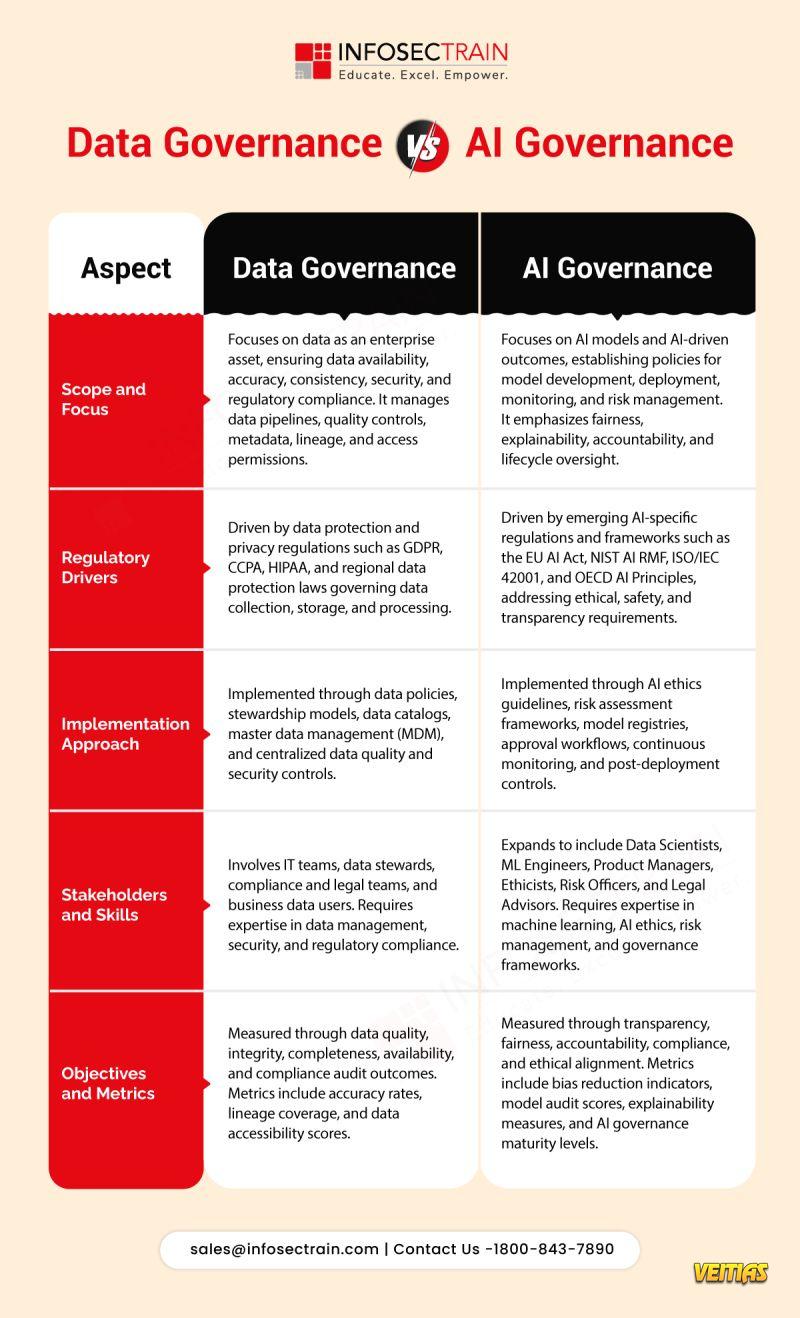
  • 𝗔𝘀 𝗼𝗿𝗴𝗮𝗻𝗶𝘇𝗮𝘁𝗶𝗼𝗻𝘀 𝘀𝗰𝗮𝗹𝗲 𝗔𝗜 𝗮𝗱𝗼𝗽𝘁𝗶𝗼𝗻, 𝗴𝗼𝘃𝗲𝗿𝗻𝗮𝗻𝗰𝗲 𝗶𝘀 𝗻𝗼 𝗹𝗼𝗻𝗴𝗲𝗿 𝗹𝗶𝗺𝗶𝘁𝗲𝗱 𝘁𝗼 𝗱𝗮𝘁𝗮 𝗮𝗹𝗼𝗻𝗲. Understanding the difference between 𝗗𝗮𝘁𝗮 𝗚𝗼𝘃𝗲𝗿𝗻𝗮𝗻𝗰𝗲 𝗮𝗻𝗱 𝗔𝗜 𝗚𝗼𝘃𝗲𝗿𝗻𝗮𝗻𝗰𝗲 is becoming essential for 𝗿𝗶𝘀𝗸 𝗺𝗮𝗻𝗮𝗴𝗲𝗺𝗲𝗻𝘁, 𝗰𝗼𝗺𝗽𝗹𝗶𝗮𝗻𝗰𝗲, 𝗮𝗻𝗱 𝗿𝗲𝘀𝗽𝗼𝗻𝘀𝗶𝗯𝗹𝗲 𝗶𝗻𝗻𝗼𝘃𝗮𝘁𝗶𝗼𝗻.

    𝗗𝗮𝘁𝗮 𝗚𝗼𝘃𝗲𝗿𝗻𝗮𝗻𝗰𝗲 𝗳𝗼𝗰𝘂𝘀𝗲𝘀 𝗼𝗻 𝗺𝗮𝗻𝗮𝗴𝗶𝗻𝗴 𝗱𝗮𝘁𝗮 as an enterprise asset through quality, security, lineage, and regulatory controls.

    𝗔𝗜 𝗚𝗼𝘃𝗲𝗿𝗻𝗮𝗻𝗰𝗲 𝗴𝗼𝗲𝘀 𝗳𝘂𝗿𝘁𝗵𝗲𝗿 𝗯𝘆 𝗮𝗱𝗱𝗿𝗲𝘀𝘀𝗶𝗻𝗴 𝗺𝗼𝗱𝗲𝗹 𝗿𝗶𝘀𝗸,, ethics, explainability, lifecycle monitoring, and emerging global AI regulations.
    𝗔𝘀 𝗼𝗿𝗴𝗮𝗻𝗶𝘇𝗮𝘁𝗶𝗼𝗻𝘀 𝘀𝗰𝗮𝗹𝗲 𝗔𝗜 𝗮𝗱𝗼𝗽𝘁𝗶𝗼𝗻, 𝗴𝗼𝘃𝗲𝗿𝗻𝗮𝗻𝗰𝗲 𝗶𝘀 𝗻𝗼 𝗹𝗼𝗻𝗴𝗲𝗿 𝗹𝗶𝗺𝗶𝘁𝗲𝗱 𝘁𝗼 𝗱𝗮𝘁𝗮 𝗮𝗹𝗼𝗻𝗲. Understanding the difference between 𝗗𝗮𝘁𝗮 𝗚𝗼𝘃𝗲𝗿𝗻𝗮𝗻𝗰𝗲 𝗮𝗻𝗱 𝗔𝗜 𝗚𝗼𝘃𝗲𝗿𝗻𝗮𝗻𝗰𝗲 is becoming essential for 𝗿𝗶𝘀𝗸 𝗺𝗮𝗻𝗮𝗴𝗲𝗺𝗲𝗻𝘁, 𝗰𝗼𝗺𝗽𝗹𝗶𝗮𝗻𝗰𝗲, 𝗮𝗻𝗱 𝗿𝗲𝘀𝗽𝗼𝗻𝘀𝗶𝗯𝗹𝗲 𝗶𝗻𝗻𝗼𝘃𝗮𝘁𝗶𝗼𝗻. 𝗗𝗮𝘁𝗮 𝗚𝗼𝘃𝗲𝗿𝗻𝗮𝗻𝗰𝗲 𝗳𝗼𝗰𝘂𝘀𝗲𝘀 𝗼𝗻 𝗺𝗮𝗻𝗮𝗴𝗶𝗻𝗴 𝗱𝗮𝘁𝗮 as an enterprise asset through quality, security, lineage, and regulatory controls. 𝗔𝗜 𝗚𝗼𝘃𝗲𝗿𝗻𝗮𝗻𝗰𝗲 𝗴𝗼𝗲𝘀 𝗳𝘂𝗿𝘁𝗵𝗲𝗿 𝗯𝘆 𝗮𝗱𝗱𝗿𝗲𝘀𝘀𝗶𝗻𝗴 𝗺𝗼𝗱𝗲𝗹 𝗿𝗶𝘀𝗸,, ethics, explainability, lifecycle monitoring, and emerging global AI regulations.
    0 Yorumlar 0 hisse senetleri 2713 Views 0 önizleme
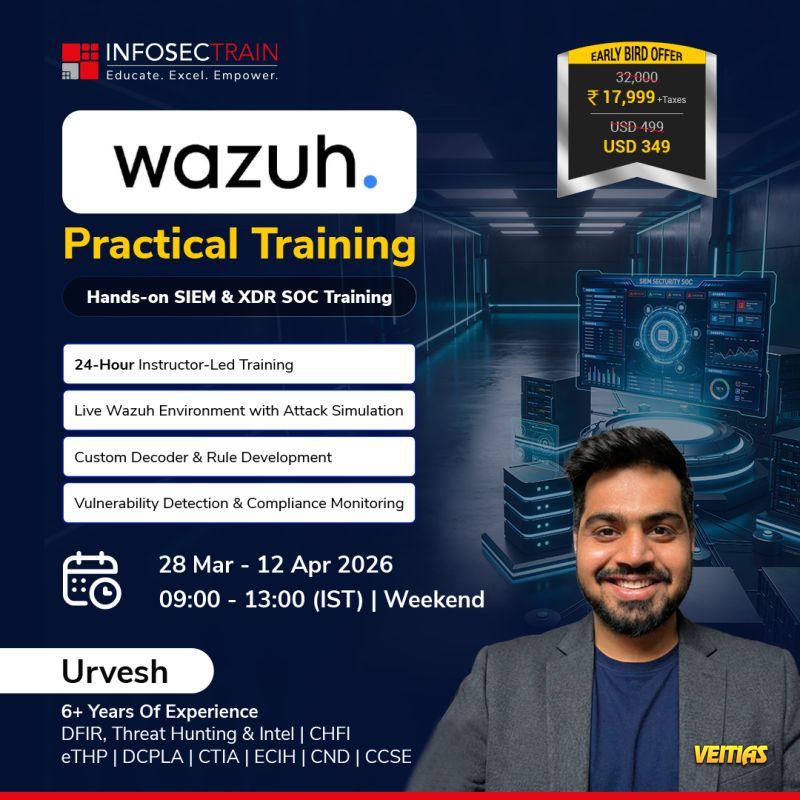
  • Move beyond dashboards and alerts. InfosecTrain’s 𝙒𝙖𝙯𝙪𝙝 𝙋𝙧𝙖𝙘𝙩𝙞𝙘𝙖𝙡 𝙏𝙧𝙖𝙞𝙣𝙞𝙣𝙜 is a hands-on, real SOC-focused program designed to help you build, detect, and respond to threats using a live Wazuh environment.

    This training is built for professionals who want practical SOC experience, not just tool familiarity.

    Led by Urvesh Thakkar (6+ years of experience in DFIR & Threat Hunting), the course focuses on real attack simulations, rule creation, and compliance monitoring - just like a production SOC.

    𝟮𝟴 𝗠𝗮𝗿 – 𝟭𝟮 𝗔𝗽𝗿 𝟮𝟬𝟮𝟲
    𝟬𝟵:𝟬𝟬 – 𝟭𝟯:𝟬𝟬 (𝗜𝗦𝗧) | 𝗪𝗲𝗲𝗸𝗲𝗻𝗱𝘀

    𝗪𝗵𝗮𝘁 𝘆𝗼𝘂’𝗹𝗹 𝗴𝗮𝗶𝗻:
    24-hour instructor-led, hands-on training
    Live Wazuh lab with attack simulations
    Custom decoder & rule development
    Vulnerability detection & compliance monitoring
    Practical exposure to 𝗦𝗜𝗘𝗠 & 𝗫𝗗𝗥 operations
    Move beyond dashboards and alerts. InfosecTrain’s 𝙒𝙖𝙯𝙪𝙝 𝙋𝙧𝙖𝙘𝙩𝙞𝙘𝙖𝙡 𝙏𝙧𝙖𝙞𝙣𝙞𝙣𝙜 is a hands-on, real SOC-focused program designed to help you build, detect, and respond to threats using a live Wazuh environment. This training is built for professionals who want practical SOC experience, not just tool familiarity. Led by Urvesh Thakkar (6+ years of experience in DFIR & Threat Hunting), the course focuses on real attack simulations, rule creation, and compliance monitoring - just like a production SOC. 📅 𝟮𝟴 𝗠𝗮𝗿 – 𝟭𝟮 𝗔𝗽𝗿 𝟮𝟬𝟮𝟲 🕘 𝟬𝟵:𝟬𝟬 – 𝟭𝟯:𝟬𝟬 (𝗜𝗦𝗧) | 𝗪𝗲𝗲𝗸𝗲𝗻𝗱𝘀 ✨ 𝗪𝗵𝗮𝘁 𝘆𝗼𝘂’𝗹𝗹 𝗴𝗮𝗶𝗻: 👉 24-hour instructor-led, hands-on training 👉 Live Wazuh lab with attack simulations 👉 Custom decoder & rule development 👉 Vulnerability detection & compliance monitoring 👉 Practical exposure to 𝗦𝗜𝗘𝗠 & 𝗫𝗗𝗥 operations
    0 Yorumlar 0 hisse senetleri 2923 Views 0 önizleme
  • The DevSecOps Pipeline: Securing the Path from Code to Cloud

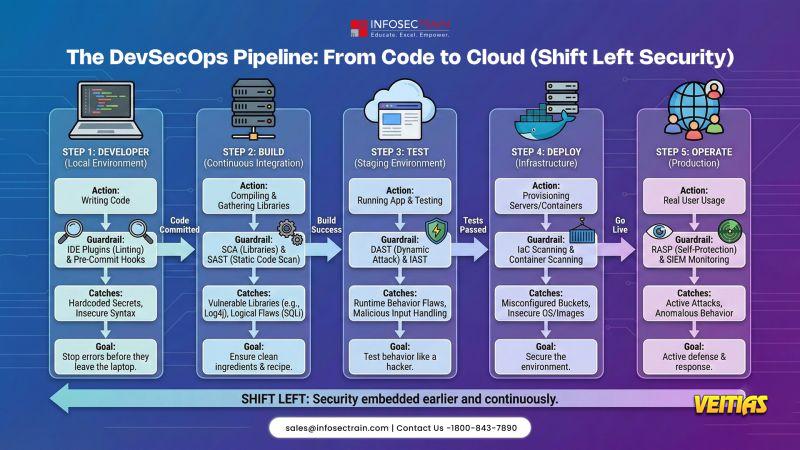
    The modern development lifecycle demands that security is integrated, not added on. By shifting left, organizations can catch hardcoded secrets at the developer's laptop and identify vulnerable libraries during the build phase. This comprehensive pipeline moves through dynamic testing in staging to infrastructure scanning during deployment. Finally, it reaches production with active monitoring and self-protection to ensure a resilient cloud environment. This continuous approach transforms security from a bottleneck into a powerful business enabler.

    #DevSecOps #ShiftLeft #CloudSecurity #AppSec #Cybersecurity #InfosecTrain #Infosec
    The DevSecOps Pipeline: Securing the Path from Code to Cloud The modern development lifecycle demands that security is integrated, not added on. By shifting left, organizations can catch hardcoded secrets at the developer's laptop and identify vulnerable libraries during the build phase. This comprehensive pipeline moves through dynamic testing in staging to infrastructure scanning during deployment. Finally, it reaches production with active monitoring and self-protection to ensure a resilient cloud environment. This continuous approach transforms security from a bottleneck into a powerful business enabler. #DevSecOps #ShiftLeft #CloudSecurity #AppSec #Cybersecurity #InfosecTrain #Infosec
    0 Yorumlar 0 hisse senetleri 1270 Views 0 önizleme
  • Wazuh vs. Splunk: A Practical Comparison of SIEM Platforms

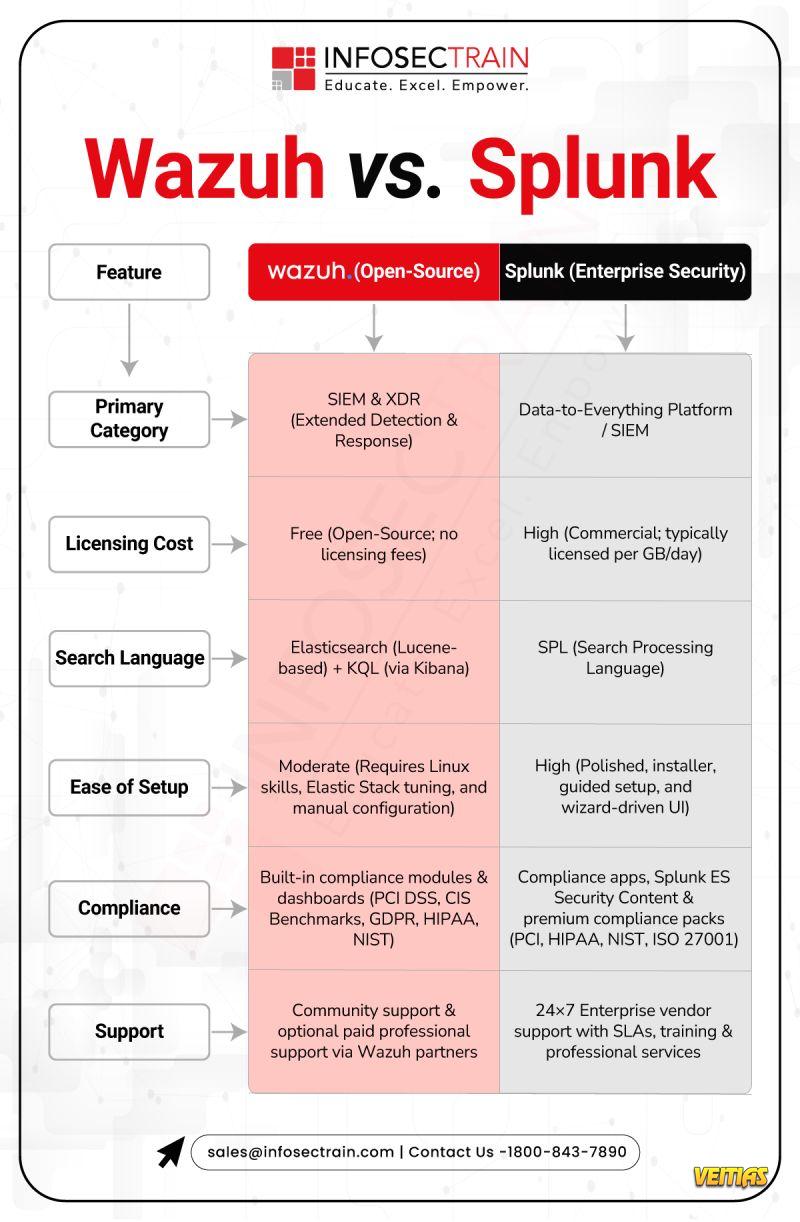
    This visual comparison breaks down the key differences between Wazuh and Splunk to help security teams choose the right SIEM solution. It highlights core aspects such as platform type, licensing cost, search language, ease of setup, compliance support, and enterprise readiness. Wazuh stands out as an open-source SIEM and XDR option with strong community-driven capabilities, while Splunk is positioned as a powerful enterprise-grade data and security analytics platform with advanced features and commercial support. This guide is ideal for SOC teams, security architects, and decision-makers evaluating SIEM tools based on budget, scalability, and operational needs.

    #SIEM #XDR #Wazuh #Splunk #CyberSecurity #SOC #ThreatDetection #LogManagement #SecurityAnalytics #Infosectrain
    Wazuh vs. Splunk: A Practical Comparison of SIEM Platforms This visual comparison breaks down the key differences between Wazuh and Splunk to help security teams choose the right SIEM solution. It highlights core aspects such as platform type, licensing cost, search language, ease of setup, compliance support, and enterprise readiness. Wazuh stands out as an open-source SIEM and XDR option with strong community-driven capabilities, while Splunk is positioned as a powerful enterprise-grade data and security analytics platform with advanced features and commercial support. This guide is ideal for SOC teams, security architects, and decision-makers evaluating SIEM tools based on budget, scalability, and operational needs. #SIEM #XDR #Wazuh #Splunk #CyberSecurity #SOC #ThreatDetection #LogManagement #SecurityAnalytics #Infosectrain
    0 Yorumlar 0 hisse senetleri 1452 Views 0 önizleme
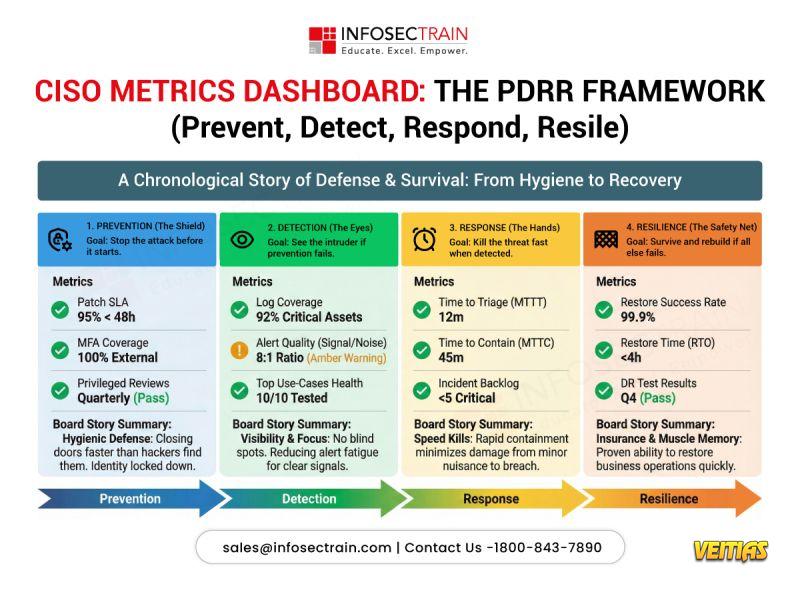
  • 𝐖𝐡𝐚𝐭 𝐠𝐞𝐭𝐬 𝐦𝐞𝐚𝐬𝐮𝐫𝐞𝐝 𝐠𝐞𝐭𝐬 𝐦𝐚𝐧𝐚𝐠𝐞𝐝, 𝐞𝐬𝐩𝐞𝐜𝐢𝐚𝐥𝐥𝐲 𝐚𝐭 𝐭𝐡𝐞 𝐂𝐈𝐒𝐎 𝐥𝐞𝐯𝐞𝐥.
    Modern security leadership isn’t about counting alerts.

    It’s about 𝐭𝐞𝐥𝐥𝐢𝐧𝐠 𝐚 𝐜𝐥𝐞𝐚𝐫, 𝐛𝐮𝐬𝐢𝐧𝐞𝐬𝐬-𝐟𝐨𝐜𝐮𝐬𝐞𝐝 𝐫𝐢𝐬𝐤 𝐬𝐭𝐨𝐫𝐲 𝐭𝐨 𝐭𝐡𝐞 𝐛𝐨𝐚𝐫𝐝.
    The PDRR framework (𝐏𝐫𝐞𝐯𝐞𝐧𝐭, 𝐃𝐞𝐭𝐞𝐜𝐭, 𝐑𝐞𝐬𝐩𝐨𝐧𝐝, 𝐑𝐞𝐬𝐢𝐥𝐞) helps CISOs align metrics across the entire security lifecycle:
    • 𝐏𝐫𝐞𝐯𝐞𝐧𝐭 – Reduce attack opportunities
    • 𝐃𝐞𝐭𝐞𝐜𝐭 – Gain early, high-fidelity visibility
    • 𝐑𝐞𝐬𝐩𝐨𝐧𝐝 – Contain threats quickly
    • 𝐑𝐞𝐬𝐢𝐥𝐞 – Recover and sustain business operations

    When metrics follow this structure, 𝐜𝐨𝐧𝐯𝐞𝐫𝐬𝐚𝐭𝐢𝐨𝐧𝐬 𝐬𝐡𝐢𝐟𝐭 𝐟𝐫𝐨𝐦 𝐭𝐨𝐨𝐥𝐬 𝐭𝐨 𝐫𝐢𝐬𝐤, 𝐫𝐞𝐬𝐢𝐥𝐢𝐞𝐧𝐜𝐞, 𝐚𝐧𝐝 𝐨𝐮𝐭𝐜𝐨𝐦𝐞𝐬.
    𝐖𝐡𝐚𝐭 𝐠𝐞𝐭𝐬 𝐦𝐞𝐚𝐬𝐮𝐫𝐞𝐝 𝐠𝐞𝐭𝐬 𝐦𝐚𝐧𝐚𝐠𝐞𝐝, 𝐞𝐬𝐩𝐞𝐜𝐢𝐚𝐥𝐥𝐲 𝐚𝐭 𝐭𝐡𝐞 𝐂𝐈𝐒𝐎 𝐥𝐞𝐯𝐞𝐥. Modern security leadership isn’t about counting alerts. It’s about 𝐭𝐞𝐥𝐥𝐢𝐧𝐠 𝐚 𝐜𝐥𝐞𝐚𝐫, 𝐛𝐮𝐬𝐢𝐧𝐞𝐬𝐬-𝐟𝐨𝐜𝐮𝐬𝐞𝐝 𝐫𝐢𝐬𝐤 𝐬𝐭𝐨𝐫𝐲 𝐭𝐨 𝐭𝐡𝐞 𝐛𝐨𝐚𝐫𝐝. The PDRR framework (𝐏𝐫𝐞𝐯𝐞𝐧𝐭, 𝐃𝐞𝐭𝐞𝐜𝐭, 𝐑𝐞𝐬𝐩𝐨𝐧𝐝, 𝐑𝐞𝐬𝐢𝐥𝐞) helps CISOs align metrics across the entire security lifecycle: • 𝐏𝐫𝐞𝐯𝐞𝐧𝐭 – Reduce attack opportunities • 𝐃𝐞𝐭𝐞𝐜𝐭 – Gain early, high-fidelity visibility • 𝐑𝐞𝐬𝐩𝐨𝐧𝐝 – Contain threats quickly • 𝐑𝐞𝐬𝐢𝐥𝐞 – Recover and sustain business operations When metrics follow this structure, 𝐜𝐨𝐧𝐯𝐞𝐫𝐬𝐚𝐭𝐢𝐨𝐧𝐬 𝐬𝐡𝐢𝐟𝐭 𝐟𝐫𝐨𝐦 𝐭𝐨𝐨𝐥𝐬 𝐭𝐨 𝐫𝐢𝐬𝐤, 𝐫𝐞𝐬𝐢𝐥𝐢𝐞𝐧𝐜𝐞, 𝐚𝐧𝐝 𝐨𝐮𝐭𝐜𝐨𝐦𝐞𝐬.
    0 Yorumlar 0 hisse senetleri 6818 Views 0 önizleme
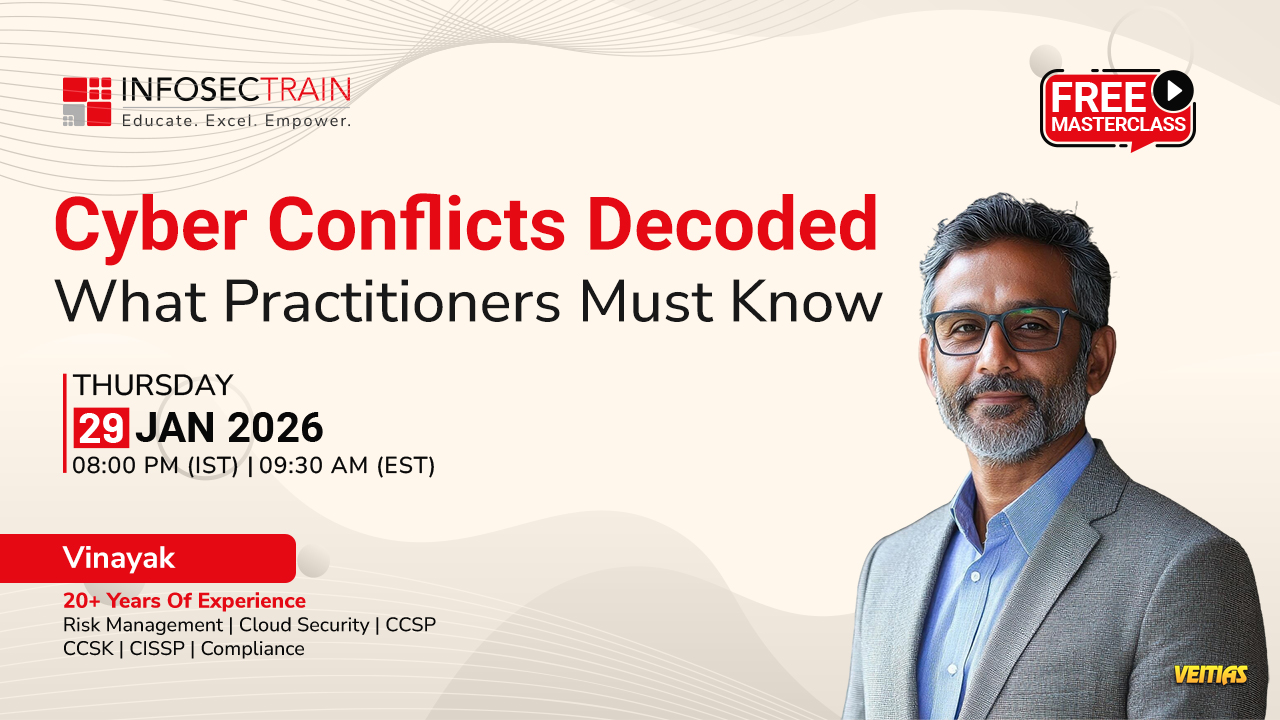
  • Free Masterclass Alert: Cyber Conflicts Decoded – What Practitioners Must Know

    Cyber threats are evolving at lightning speed and understanding the battlefield is crucial for every cyber professional. Join our exclusive free masterclass to decode the realities of cyber conflicts and gain actionable insights.

    Date: 29 Jan (Thu)
    ⌚️ Time: 8 – 9 PM (IST)
    Speaker: Vinayak

    Register for Free: https://www.infosectrain.com/events/cyber-conflicts-decoded-what-practitioners-must-know

    What You’ll Learn in This Masterclass
    Introduction: Setting the stage for modern cyber conflicts
    Conflict Lessons from the Frontlines: Real-world attack insights
    Evolution of the Attack Surface: How threats expand at light speed
    Modus Operandi of Attackers: Patterns that are “same-same but different”
    Key Lessons for Cyber Practitioners: Practical takeaways to strengthen defenses

    Why You Should Attend
    Earn a CPE Certificate – Boost your professional profile
    FREE Career Guidance & Mentorship – Learn from the experts
    Gain Industry Insights – Understand attackers and defenses firsthand

    #CyberSecurity #CyberConflicts #InfosecTrain #Masterclass #CyberDefense #ThreatIntelligence #CyberPractitioner #CPE #CyberSkills #FreeWebinar
    Free Masterclass Alert: Cyber Conflicts Decoded – What Practitioners Must Know Cyber threats are evolving at lightning speed and understanding the battlefield is crucial for every cyber professional. Join our exclusive free masterclass to decode the realities of cyber conflicts and gain actionable insights. 📅 Date: 29 Jan (Thu) ⌚️ Time: 8 – 9 PM (IST) 🎤 Speaker: Vinayak 🎯 Register for Free: https://www.infosectrain.com/events/cyber-conflicts-decoded-what-practitioners-must-know 🔍 What You’ll Learn in This Masterclass ✅ Introduction: Setting the stage for modern cyber conflicts ✅ Conflict Lessons from the Frontlines: Real-world attack insights ✅ Evolution of the Attack Surface: How threats expand at light speed ✅ Modus Operandi of Attackers: Patterns that are “same-same but different” ✅ Key Lessons for Cyber Practitioners: Practical takeaways to strengthen defenses 💡 Why You Should Attend 👉 Earn a CPE Certificate – Boost your professional profile 👉 FREE Career Guidance & Mentorship – Learn from the experts 👉 Gain Industry Insights – Understand attackers and defenses firsthand #CyberSecurity #CyberConflicts #InfosecTrain #Masterclass #CyberDefense #ThreatIntelligence #CyberPractitioner #CPE #CyberSkills #FreeWebinar
    0 Yorumlar 0 hisse senetleri 5375 Views 0 önizleme
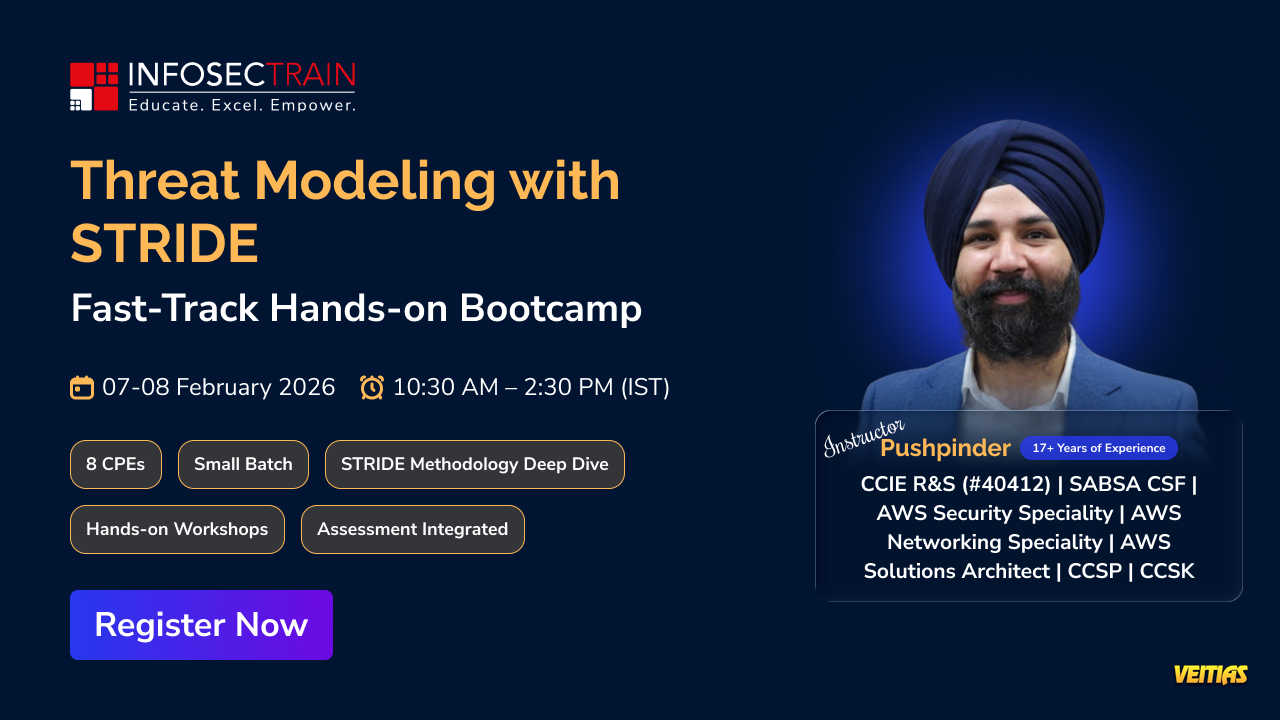
  • Threat Modeling with STRIDE — Fast-Track Hands-on Bootcamp

    Modern cyber threats demand proactive security, not last-minute fixes. Learn how to identify, analyze, and mitigate risks early using the globally trusted STRIDE threat modeling framework — through real-world, hands-on practice.

    Join this intensive 2-day bootcamp designed for security professionals, architects, and developers who want practical, job-ready threat modeling skills that align with compliance and audit requirements.

    Dates: 07–08 February 2026
    🕰 Time: 10:30 AM – 2:30 PM (IST)
    Instructor: Pushpinder

    What You’ll Gain:
    8 CPE Credits
    Real-world STRIDE Hands-on Labs
    Expert Mentorship & Career Guidance
    Industry-Recognized Certificate
    Lifetime Community & Learning Resources
    Compliance & Audit-Aligned Threat Modeling Skills

    🎟 Limited Seats — Register Now:
    https://www.infosectrain.com/bootcamp/threat-modeling-training/

    Build secure systems before attackers find the gaps — Enroll today!

    #ThreatModeling #STRIDEFramework #CyberSecurityTraining #AppSec #DevSecOps #CloudSecurity #SecureByDesign #InfosecTrain #CyberAwareness #EthicalHacking #SecurityEngineering #CPECredits
    Threat Modeling with STRIDE — Fast-Track Hands-on Bootcamp 🔐 Modern cyber threats demand proactive security, not last-minute fixes. Learn how to identify, analyze, and mitigate risks early using the globally trusted STRIDE threat modeling framework — through real-world, hands-on practice. Join this intensive 2-day bootcamp designed for security professionals, architects, and developers who want practical, job-ready threat modeling skills that align with compliance and audit requirements. 📅 Dates: 07–08 February 2026 🕰 Time: 10:30 AM – 2:30 PM (IST) 👨🏫 Instructor: Pushpinder 🎯 What You’ll Gain: ✅ 8 CPE Credits ✅ Real-world STRIDE Hands-on Labs ✅ Expert Mentorship & Career Guidance ✅ Industry-Recognized Certificate ✅ Lifetime Community & Learning Resources ✅ Compliance & Audit-Aligned Threat Modeling Skills 🎟 Limited Seats — Register Now: 👉 https://www.infosectrain.com/bootcamp/threat-modeling-training/ 🔐 Build secure systems before attackers find the gaps — Enroll today! #ThreatModeling #STRIDEFramework #CyberSecurityTraining #AppSec #DevSecOps #CloudSecurity #SecureByDesign #InfosecTrain #CyberAwareness #EthicalHacking #SecurityEngineering #CPECredits
    0 Yorumlar 0 hisse senetleri 7485 Views 0 önizleme
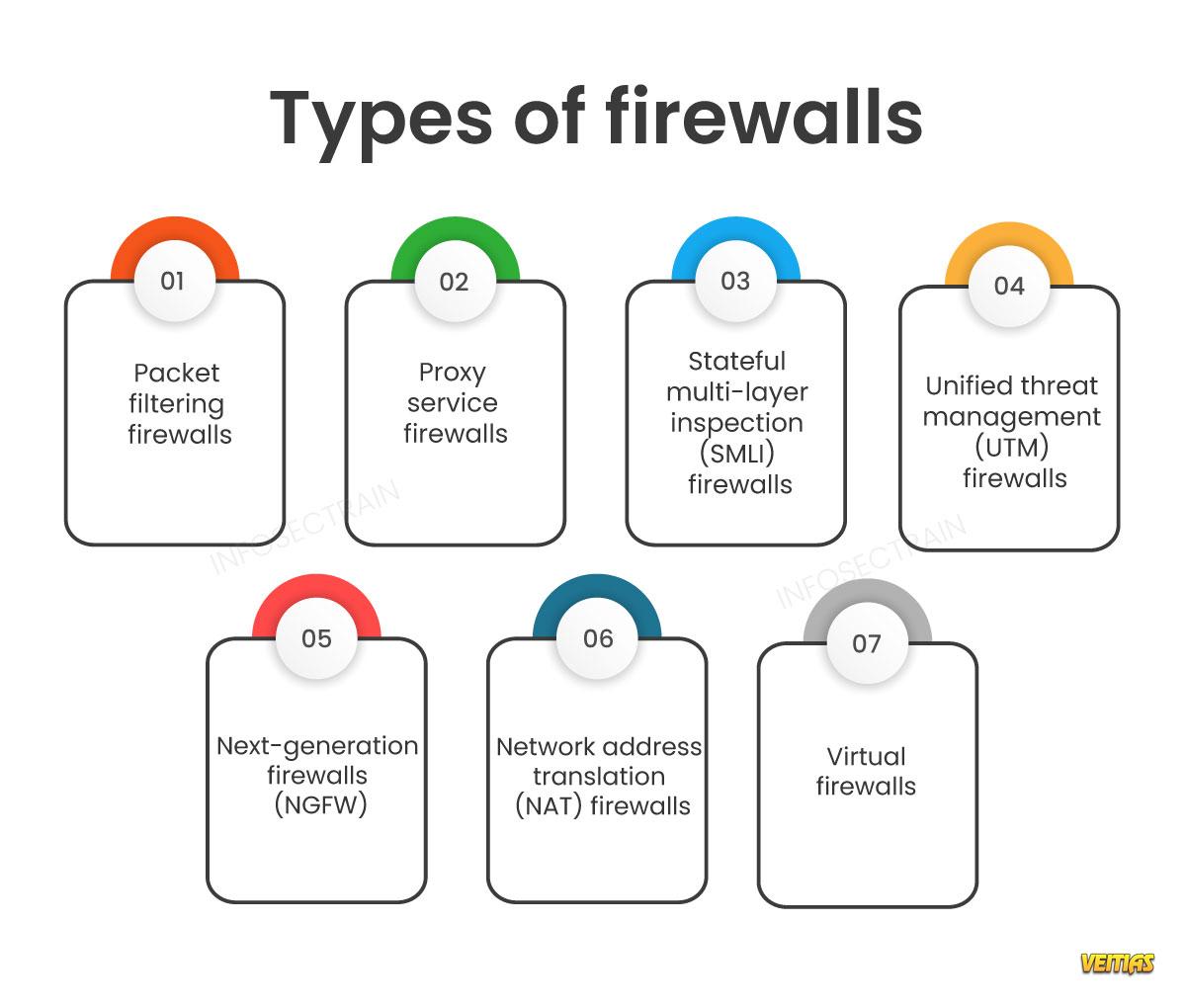
  • Types of Firewalls Explained: A Practical Security Overview

    Firewalls are a foundational component of network security, designed to monitor and control incoming and outgoing traffic based on predefined rules. This visual overview explains the major types of firewalls, including packet filtering, proxy firewalls, stateful multi-layer inspection, unified threat management, next-generation firewalls, NAT firewalls, and virtual firewalls. Understanding these firewall types helps organizations choose the right security controls to protect networks, applications, and data from evolving cyber threats.

    #CyberSecurity #NetworkSecurity #Firewalls #InfoSec #SecurityArchitecture #NGFW #UTM #ITSecurity #CyberDefense #Infosectrain
    Types of Firewalls Explained: A Practical Security Overview Firewalls are a foundational component of network security, designed to monitor and control incoming and outgoing traffic based on predefined rules. This visual overview explains the major types of firewalls, including packet filtering, proxy firewalls, stateful multi-layer inspection, unified threat management, next-generation firewalls, NAT firewalls, and virtual firewalls. Understanding these firewall types helps organizations choose the right security controls to protect networks, applications, and data from evolving cyber threats. #CyberSecurity #NetworkSecurity #Firewalls #InfoSec #SecurityArchitecture #NGFW #UTM #ITSecurity #CyberDefense #Infosectrain
    0 Yorumlar 0 hisse senetleri 642 Views 0 önizleme
  • Types of Firewalls Explained: A Practical Security Overview

    Firewalls play a critical role in protecting networks by monitoring and controlling incoming and outgoing traffic based on predefined security rules. This visual overview explains the major types of firewalls, including packet filtering, proxy firewalls, stateful inspection, unified threat management (UTM), next-generation firewalls (NGFW), NAT firewalls, and virtual firewalls. Understanding these firewall types helps organizations choose the right security controls to defend against modern cyber threats across on-premises, cloud, and hybrid environments.

    #FirewallSecurity #NetworkSecurity #CyberSecurity #NGFW #UTMFirewall #PacketFiltering #ProxyFirewall #StatefulInspection #CloudSecurity #InfoSec
    Types of Firewalls Explained: A Practical Security Overview Firewalls play a critical role in protecting networks by monitoring and controlling incoming and outgoing traffic based on predefined security rules. This visual overview explains the major types of firewalls, including packet filtering, proxy firewalls, stateful inspection, unified threat management (UTM), next-generation firewalls (NGFW), NAT firewalls, and virtual firewalls. Understanding these firewall types helps organizations choose the right security controls to defend against modern cyber threats across on-premises, cloud, and hybrid environments. #FirewallSecurity #NetworkSecurity #CyberSecurity #NGFW #UTMFirewall #PacketFiltering #ProxyFirewall #StatefulInspection #CloudSecurity #InfoSec
    0 Yorumlar 0 hisse senetleri 474 Views 0 önizleme
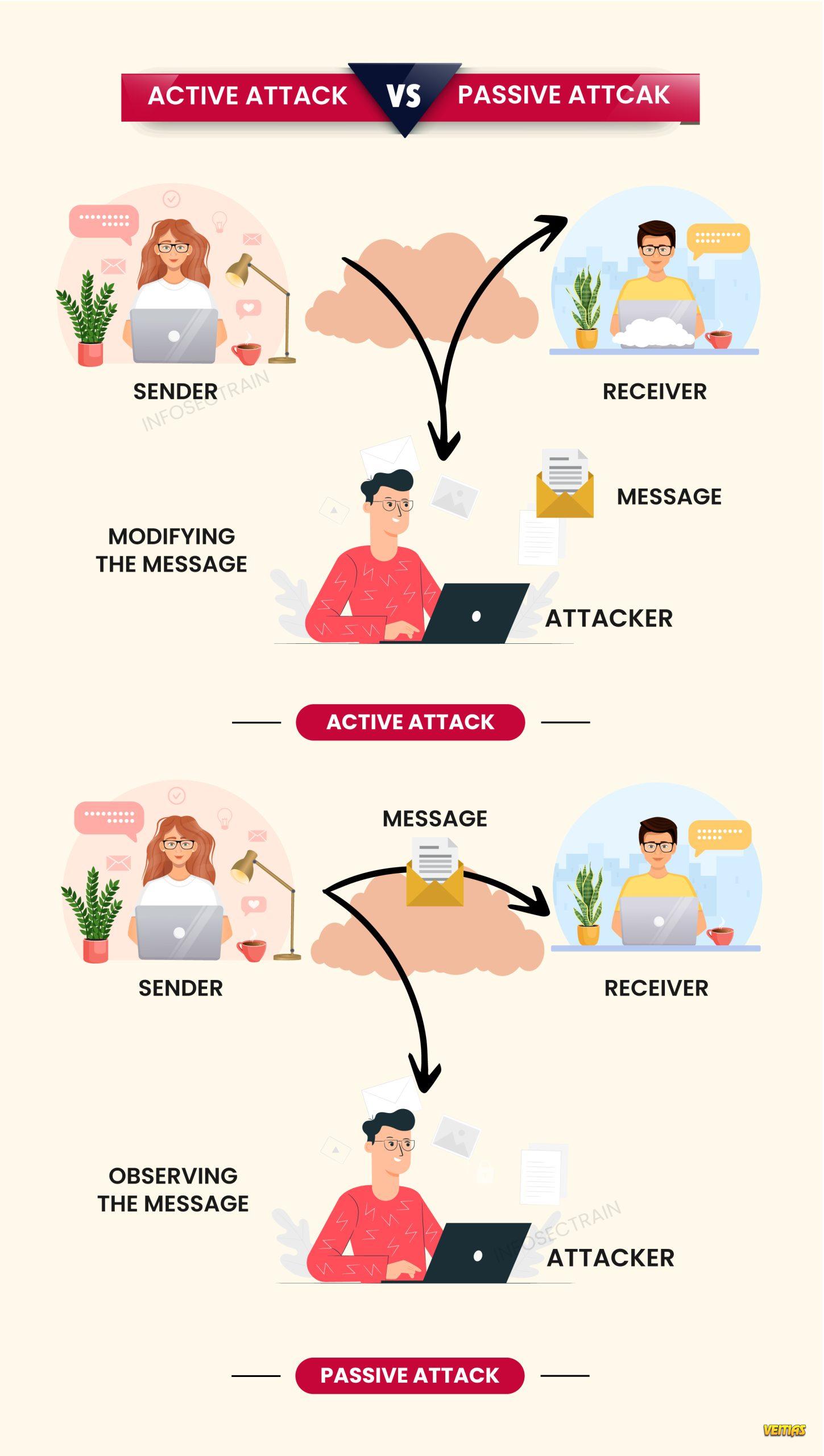
  • Differences between active attack and passive attack

    Active and passive attacks represent two fundamental threat categories in cybersecurity. An active attack involves modifying, disrupting, or destroying data and systems, such as malware injection, denial-of-service attacks, or message tampering. In contrast, a passive attack focuses on silently monitoring or intercepting information without altering it, commonly through eavesdropping or traffic analysis. Understanding the differences between these attacks helps security professionals design stronger detection, prevention, and response strategies to protect sensitive data and ensure system integrity.

    #CyberSecurity #ActiveAttack #PassiveAttack #NetworkSecurity #InfoSec #CyberThreats #SecurityAwareness #EthicalHacking #DataProtection #CyberRisk
    Differences between active attack and passive attack Active and passive attacks represent two fundamental threat categories in cybersecurity. An active attack involves modifying, disrupting, or destroying data and systems, such as malware injection, denial-of-service attacks, or message tampering. In contrast, a passive attack focuses on silently monitoring or intercepting information without altering it, commonly through eavesdropping or traffic analysis. Understanding the differences between these attacks helps security professionals design stronger detection, prevention, and response strategies to protect sensitive data and ensure system integrity. #CyberSecurity #ActiveAttack #PassiveAttack #NetworkSecurity #InfoSec #CyberThreats #SecurityAwareness #EthicalHacking #DataProtection #CyberRisk
    0 Yorumlar 0 hisse senetleri 743 Views 0 önizleme
  • 𝐎𝐖𝐀𝐒𝐏 𝐓𝐨𝐩 𝟏𝟎 (𝟐𝟎𝟐𝟓): 𝐀𝐫𝐞 𝐘𝐨𝐮𝐫 𝐖𝐞𝐛 𝐀𝐩𝐩𝐬 𝐑𝐞𝐚𝐥𝐥𝐲 𝐒𝐞𝐜𝐮𝐫𝐞?

    Every year, attackers get smarter and the OWASP Top 10 2025 shows exactly where web applications are still breaking.

    𝐑𝐢𝐬𝐤𝐬 𝐘𝐨𝐮 𝐂𝐚𝐧’𝐭 𝐈𝐠𝐧𝐨𝐫𝐞
    𝐁𝐫𝐨𝐤𝐞𝐧 𝐀𝐜𝐜𝐞𝐬𝐬 𝐂𝐨𝐧𝐭𝐫𝐨𝐥 – Simple URL changes exposing restricted data
    𝐒𝐞𝐜𝐮𝐫𝐢𝐭𝐲 𝐌𝐢𝐬𝐜𝐨𝐧𝐟𝐢𝐠𝐮𝐫𝐚𝐭𝐢𝐨𝐧𝐬 – Default settings and rushed deployments creating easy entry points
    𝐒𝐨𝐟𝐭𝐰𝐚𝐫𝐞 & 𝐃𝐚𝐭𝐚 𝐈𝐧𝐭𝐞𝐠𝐫𝐢𝐭𝐲 𝐅𝐚𝐢𝐥𝐮𝐫𝐞𝐬 – Unverified updates and risky dependencies
    𝐂𝐫𝐲𝐩𝐭𝐨𝐠𝐫𝐚𝐩𝐡𝐢𝐜 𝐅𝐚𝐢𝐥𝐮𝐫𝐞𝐬 – Weak encryption and poor key management
    𝐈𝐧𝐣𝐞𝐜𝐭𝐢𝐨𝐧 𝐀𝐭𝐭𝐚𝐜𝐤𝐬 – SQL/NoSQL payloads slipping through unsafe inputs
    𝐈𝐧𝐬𝐞𝐜𝐮𝐫𝐞 𝐃𝐞𝐬𝐢𝐠𝐧 – Security missing at the architecture level
    𝐀𝐮𝐭𝐡𝐞𝐧𝐭𝐢𝐜𝐚𝐭𝐢𝐨𝐧 𝐅𝐚𝐢𝐥𝐮𝐫𝐞𝐬 – Weak passwords, no MFA, broken sessions
    𝐋𝐨𝐠𝐠𝐢𝐧𝐠 & 𝐌𝐨𝐧𝐢𝐭𝐨𝐫𝐢𝐧𝐠 𝐆𝐚𝐩𝐬 – Attacks happening without alerts
    𝐒𝐒𝐑𝐅 – Abused server-side requests and mishandled logic

    𝐑𝐞𝐚𝐝 𝐭𝐡𝐞 𝐟𝐮𝐥𝐥 𝐈𝐧𝐟𝐨𝐬𝐞𝐜𝐓𝐫𝐚𝐢𝐧 𝐚𝐫𝐭𝐢𝐜𝐥𝐞 𝐡𝐞𝐫𝐞: https://www.infosectrain.com/blog/what-you-need-to-know-about-the-owasp-top-10-2025

    #OWASPTop10 #AppSec #CyberSecurity #RedTeam #InfosecTrain
    𝐎𝐖𝐀𝐒𝐏 𝐓𝐨𝐩 𝟏𝟎 (𝟐𝟎𝟐𝟓): 𝐀𝐫𝐞 𝐘𝐨𝐮𝐫 𝐖𝐞𝐛 𝐀𝐩𝐩𝐬 𝐑𝐞𝐚𝐥𝐥𝐲 𝐒𝐞𝐜𝐮𝐫𝐞? Every year, attackers get smarter and the OWASP Top 10 2025 shows exactly where web applications are still breaking. ✅ 𝐑𝐢𝐬𝐤𝐬 𝐘𝐨𝐮 𝐂𝐚𝐧’𝐭 𝐈𝐠𝐧𝐨𝐫𝐞 🔹 𝐁𝐫𝐨𝐤𝐞𝐧 𝐀𝐜𝐜𝐞𝐬𝐬 𝐂𝐨𝐧𝐭𝐫𝐨𝐥 – Simple URL changes exposing restricted data 🔹𝐒𝐞𝐜𝐮𝐫𝐢𝐭𝐲 𝐌𝐢𝐬𝐜𝐨𝐧𝐟𝐢𝐠𝐮𝐫𝐚𝐭𝐢𝐨𝐧𝐬 – Default settings and rushed deployments creating easy entry points 🔹𝐒𝐨𝐟𝐭𝐰𝐚𝐫𝐞 & 𝐃𝐚𝐭𝐚 𝐈𝐧𝐭𝐞𝐠𝐫𝐢𝐭𝐲 𝐅𝐚𝐢𝐥𝐮𝐫𝐞𝐬 – Unverified updates and risky dependencies 🔹𝐂𝐫𝐲𝐩𝐭𝐨𝐠𝐫𝐚𝐩𝐡𝐢𝐜 𝐅𝐚𝐢𝐥𝐮𝐫𝐞𝐬 – Weak encryption and poor key management 🔹𝐈𝐧𝐣𝐞𝐜𝐭𝐢𝐨𝐧 𝐀𝐭𝐭𝐚𝐜𝐤𝐬 – SQL/NoSQL payloads slipping through unsafe inputs 🔹𝐈𝐧𝐬𝐞𝐜𝐮𝐫𝐞 𝐃𝐞𝐬𝐢𝐠𝐧 – Security missing at the architecture level 🔹𝐀𝐮𝐭𝐡𝐞𝐧𝐭𝐢𝐜𝐚𝐭𝐢𝐨𝐧 𝐅𝐚𝐢𝐥𝐮𝐫𝐞𝐬 – Weak passwords, no MFA, broken sessions 🔹𝐋𝐨𝐠𝐠𝐢𝐧𝐠 & 𝐌𝐨𝐧𝐢𝐭𝐨𝐫𝐢𝐧𝐠 𝐆𝐚𝐩𝐬 – Attacks happening without alerts 🔹𝐒𝐒𝐑𝐅 – Abused server-side requests and mishandled logic 👉 𝐑𝐞𝐚𝐝 𝐭𝐡𝐞 𝐟𝐮𝐥𝐥 𝐈𝐧𝐟𝐨𝐬𝐞𝐜𝐓𝐫𝐚𝐢𝐧 𝐚𝐫𝐭𝐢𝐜𝐥𝐞 𝐡𝐞𝐫𝐞: https://www.infosectrain.com/blog/what-you-need-to-know-about-the-owasp-top-10-2025 #OWASPTop10 #AppSec #CyberSecurity #RedTeam #InfosecTrain
    WWW.INFOSECTRAIN.COM
    What you need to know about the OWASP Top 10 2025?
    A complete guide to OWASP Top 10 2025 covering the latest web vulnerabilities, attack trends, and mitigation strategies.
    0 Yorumlar 0 hisse senetleri 2903 Views 0 önizleme
Arama Sonuçları