
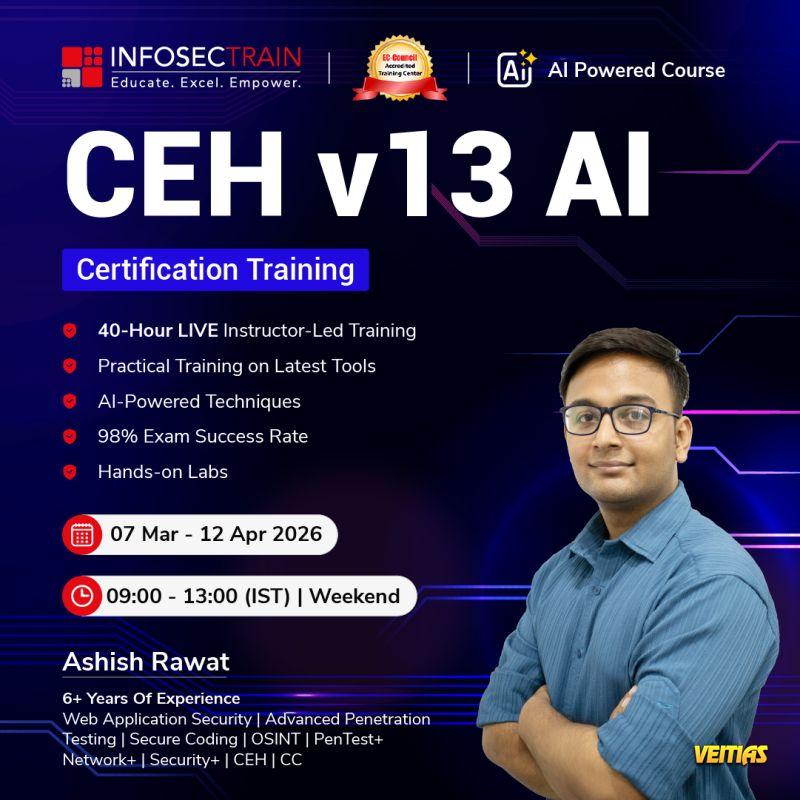
• 𝗖𝗘𝗛 𝘃𝟭𝟯 𝗔𝗜 – 𝗖𝗲𝗿𝘁𝗶𝗳𝗶𝗰𝗮𝘁𝗶𝗼𝗻 𝗧𝗿𝗮𝗶𝗻𝗶𝗻𝗴 𝗖𝗼𝘂𝗿𝘀𝗲
    𝑨𝑰-𝑷𝒐𝒘𝒆𝒓𝒆𝒅 Ethical Hacking for the Modern Threat Landscape

    Cybersecurity is evolving - and so is ethical hacking.
    InfosecTrain’s 𝗖𝗘𝗛 𝘃𝟭𝟯 𝗔𝗜 𝗖𝗲𝗿𝘁𝗶𝗳𝗶𝗰𝗮𝘁𝗶𝗼𝗻 𝗧𝗿𝗮𝗶𝗻𝗶𝗻𝗴 equips you with next-generation hacking techniques powered by AI to detect, exploit, and defend against modern cyber threats.

    This 40-hour LIVE program blends traditional ethical hacking with AI-driven methodologies, practical tools, and real-world lab environments.

    Led by Ashish Rawat (6+ Years of Experience) - Web App Security | Advanced Penetration Testing | Secure Coding | OSINT | CEH | PenTest+ | Network+ | Security+ | CC
    💻🤖 𝗖𝗘𝗛 𝘃𝟭𝟯 𝗔𝗜 – 𝗖𝗲𝗿𝘁𝗶𝗳𝗶𝗰𝗮𝘁𝗶𝗼𝗻 𝗧𝗿𝗮𝗶𝗻𝗶𝗻𝗴 𝗖𝗼𝘂𝗿𝘀𝗲 𝑨𝑰-𝑷𝒐𝒘𝒆𝒓𝒆𝒅 Ethical Hacking for the Modern Threat Landscape Cybersecurity is evolving - and so is ethical hacking. InfosecTrain’s 𝗖𝗘𝗛 𝘃𝟭𝟯 𝗔𝗜 𝗖𝗲𝗿𝘁𝗶𝗳𝗶𝗰𝗮𝘁𝗶𝗼𝗻 𝗧𝗿𝗮𝗶𝗻𝗶𝗻𝗴 equips you with next-generation hacking techniques powered by AI to detect, exploit, and defend against modern cyber threats. This 40-hour LIVE program blends traditional ethical hacking with AI-driven methodologies, practical tools, and real-world lab environments. Led by Ashish Rawat (6+ Years of Experience) - Web App Security | Advanced Penetration Testing | Secure Coding | OSINT | CEH | PenTest+ | Network+ | Security+ | CC
    0 Comentários 0 Compartilhamentos 3288 Visualizações 0 Anterior
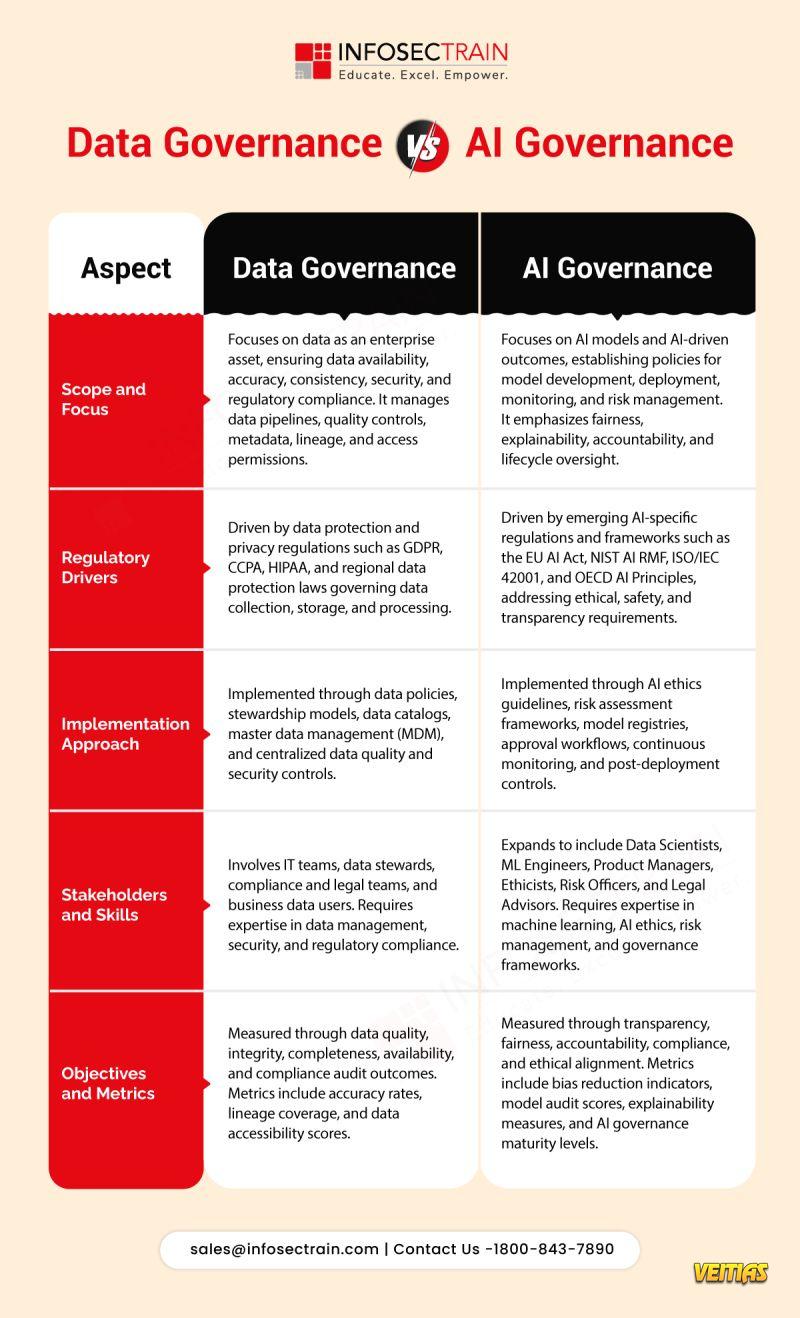
  • 𝗔𝘀 𝗼𝗿𝗴𝗮𝗻𝗶𝘇𝗮𝘁𝗶𝗼𝗻𝘀 𝘀𝗰𝗮𝗹𝗲 𝗔𝗜 𝗮𝗱𝗼𝗽𝘁𝗶𝗼𝗻, 𝗴𝗼𝘃𝗲𝗿𝗻𝗮𝗻𝗰𝗲 𝗶𝘀 𝗻𝗼 𝗹𝗼𝗻𝗴𝗲𝗿 𝗹𝗶𝗺𝗶𝘁𝗲𝗱 𝘁𝗼 𝗱𝗮𝘁𝗮 𝗮𝗹𝗼𝗻𝗲. Understanding the difference between 𝗗𝗮𝘁𝗮 𝗚𝗼𝘃𝗲𝗿𝗻𝗮𝗻𝗰𝗲 𝗮𝗻𝗱 𝗔𝗜 𝗚𝗼𝘃𝗲𝗿𝗻𝗮𝗻𝗰𝗲 is becoming essential for 𝗿𝗶𝘀𝗸 𝗺𝗮𝗻𝗮𝗴𝗲𝗺𝗲𝗻𝘁, 𝗰𝗼𝗺𝗽𝗹𝗶𝗮𝗻𝗰𝗲, 𝗮𝗻𝗱 𝗿𝗲𝘀𝗽𝗼𝗻𝘀𝗶𝗯𝗹𝗲 𝗶𝗻𝗻𝗼𝘃𝗮𝘁𝗶𝗼𝗻.

    𝗗𝗮𝘁𝗮 𝗚𝗼𝘃𝗲𝗿𝗻𝗮𝗻𝗰𝗲 𝗳𝗼𝗰𝘂𝘀𝗲𝘀 𝗼𝗻 𝗺𝗮𝗻𝗮𝗴𝗶𝗻𝗴 𝗱𝗮𝘁𝗮 as an enterprise asset through quality, security, lineage, and regulatory controls.

    𝗔𝗜 𝗚𝗼𝘃𝗲𝗿𝗻𝗮𝗻𝗰𝗲 𝗴𝗼𝗲𝘀 𝗳𝘂𝗿𝘁𝗵𝗲𝗿 𝗯𝘆 𝗮𝗱𝗱𝗿𝗲𝘀𝘀𝗶𝗻𝗴 𝗺𝗼𝗱𝗲𝗹 𝗿𝗶𝘀𝗸,, ethics, explainability, lifecycle monitoring, and emerging global AI regulations.
    𝗔𝘀 𝗼𝗿𝗴𝗮𝗻𝗶𝘇𝗮𝘁𝗶𝗼𝗻𝘀 𝘀𝗰𝗮𝗹𝗲 𝗔𝗜 𝗮𝗱𝗼𝗽𝘁𝗶𝗼𝗻, 𝗴𝗼𝘃𝗲𝗿𝗻𝗮𝗻𝗰𝗲 𝗶𝘀 𝗻𝗼 𝗹𝗼𝗻𝗴𝗲𝗿 𝗹𝗶𝗺𝗶𝘁𝗲𝗱 𝘁𝗼 𝗱𝗮𝘁𝗮 𝗮𝗹𝗼𝗻𝗲. Understanding the difference between 𝗗𝗮𝘁𝗮 𝗚𝗼𝘃𝗲𝗿𝗻𝗮𝗻𝗰𝗲 𝗮𝗻𝗱 𝗔𝗜 𝗚𝗼𝘃𝗲𝗿𝗻𝗮𝗻𝗰𝗲 is becoming essential for 𝗿𝗶𝘀𝗸 𝗺𝗮𝗻𝗮𝗴𝗲𝗺𝗲𝗻𝘁, 𝗰𝗼𝗺𝗽𝗹𝗶𝗮𝗻𝗰𝗲, 𝗮𝗻𝗱 𝗿𝗲𝘀𝗽𝗼𝗻𝘀𝗶𝗯𝗹𝗲 𝗶𝗻𝗻𝗼𝘃𝗮𝘁𝗶𝗼𝗻. 𝗗𝗮𝘁𝗮 𝗚𝗼𝘃𝗲𝗿𝗻𝗮𝗻𝗰𝗲 𝗳𝗼𝗰𝘂𝘀𝗲𝘀 𝗼𝗻 𝗺𝗮𝗻𝗮𝗴𝗶𝗻𝗴 𝗱𝗮𝘁𝗮 as an enterprise asset through quality, security, lineage, and regulatory controls. 𝗔𝗜 𝗚𝗼𝘃𝗲𝗿𝗻𝗮𝗻𝗰𝗲 𝗴𝗼𝗲𝘀 𝗳𝘂𝗿𝘁𝗵𝗲𝗿 𝗯𝘆 𝗮𝗱𝗱𝗿𝗲𝘀𝘀𝗶𝗻𝗴 𝗺𝗼𝗱𝗲𝗹 𝗿𝗶𝘀𝗸,, ethics, explainability, lifecycle monitoring, and emerging global AI regulations.
    0 Comentários 0 Compartilhamentos 2428 Visualizações 0 Anterior
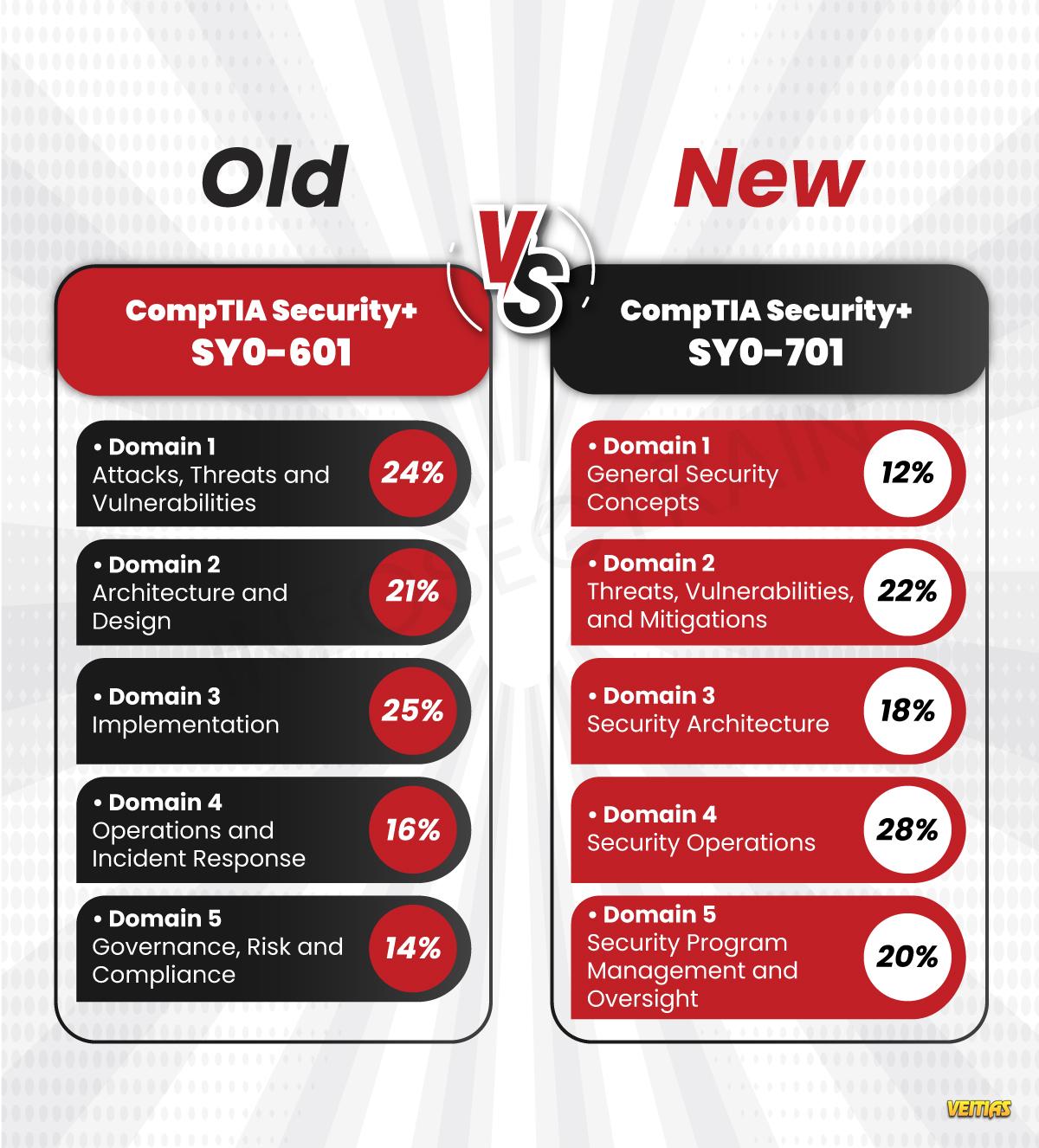
  • CompTIA Security+ SY0-601 vs SY0-701 Comparison Guide

    Are you planning to get certified in cybersecurity? This infographic breaks down the critical differences between the old CompTIA Security+ (SY0-601) and the new (SY0-701) exam domains. Notice the significant increase in Security Operations and Program Management, reflecting the industry's shift toward proactive oversight. Stay ahead of the curve by understanding these updated weightages before you start your prep.

    #comptia #securityplus #sy0701 #cybersecurity #infosectrain #certification #itcareer
    CompTIA Security+ SY0-601 vs SY0-701 Comparison Guide Are you planning to get certified in cybersecurity? This infographic breaks down the critical differences between the old CompTIA Security+ (SY0-601) and the new (SY0-701) exam domains. Notice the significant increase in Security Operations and Program Management, reflecting the industry's shift toward proactive oversight. Stay ahead of the curve by understanding these updated weightages before you start your prep. #comptia #securityplus #sy0701 #cybersecurity #infosectrain #certification #itcareer
    0 Comentários 0 Compartilhamentos 1677 Visualizações 0 Anterior
  • 𝐒𝐞𝐜𝐮𝐫𝐢𝐭𝐲 𝐰𝐨𝐫𝐤𝐬 𝐛𝐞𝐬𝐭 𝐰𝐡𝐞𝐧 𝐢𝐭 𝐬𝐭𝐚𝐫𝐭𝐬 𝐛𝐞𝐟𝐨𝐫𝐞 𝐩𝐫𝐨𝐝𝐮𝐜𝐭𝐢𝐨𝐧.
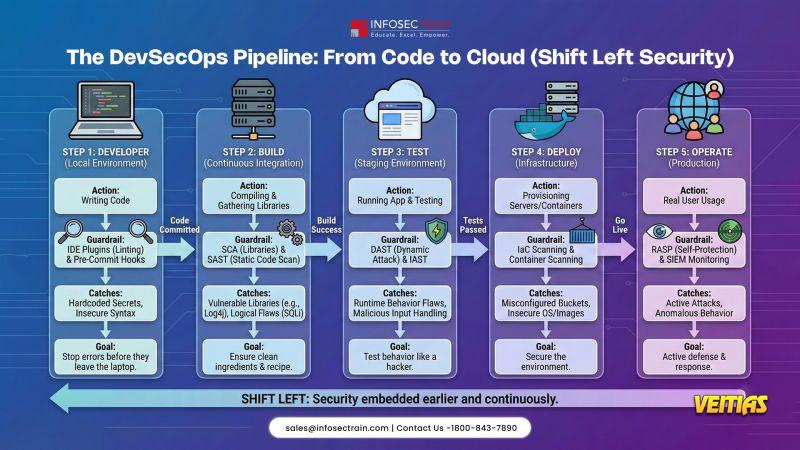
    The 𝐃𝐞𝐯𝐒𝐞𝐜𝐎𝐩𝐬 𝐩𝐢𝐩𝐞𝐥𝐢𝐧𝐞 shows how security must be embedded at every stage, 𝐟𝐫𝐨𝐦 𝐜𝐨𝐝𝐞 𝐜𝐫𝐞𝐚𝐭𝐢𝐨𝐧 𝐭𝐨 𝐜𝐥𝐨𝐮𝐝 𝐨𝐩𝐞𝐫𝐚𝐭𝐢𝐨𝐧𝐬.
    By shifting security left, teams catch issues earlier, reduce remediation costs, and deliver software faster without compromising trust.

    From secure coding and dependency checks 𝐭𝐨 𝐫𝐮𝐧𝐭𝐢𝐦𝐞 𝐩𝐫𝐨𝐭𝐞𝐜𝐭𝐢𝐨𝐧 𝐚𝐧𝐝 𝐦𝐨𝐧𝐢𝐭𝐨𝐫𝐢𝐧𝐠, 𝐞𝐚𝐜𝐡 𝐬𝐭𝐚𝐠𝐞 𝐩𝐥𝐚𝐲𝐬 𝐚 𝐜𝐫𝐢𝐭𝐢𝐜𝐚𝐥 𝐫𝐨𝐥𝐞 𝐢𝐧 𝐛𝐮𝐢𝐥𝐝𝐢𝐧𝐠 𝐫𝐞𝐬𝐢𝐥𝐢𝐞𝐧𝐭 𝐚𝐩𝐩𝐥𝐢𝐜𝐚𝐭𝐢𝐨𝐧𝐬 𝐚𝐧𝐝 𝐜𝐥𝐨𝐮𝐝 𝐞𝐧𝐯𝐢𝐫𝐨𝐧𝐦𝐞𝐧𝐭𝐬.
    𝐒𝐞𝐜𝐮𝐫𝐢𝐭𝐲 𝐰𝐨𝐫𝐤𝐬 𝐛𝐞𝐬𝐭 𝐰𝐡𝐞𝐧 𝐢𝐭 𝐬𝐭𝐚𝐫𝐭𝐬 𝐛𝐞𝐟𝐨𝐫𝐞 𝐩𝐫𝐨𝐝𝐮𝐜𝐭𝐢𝐨𝐧. The 𝐃𝐞𝐯𝐒𝐞𝐜𝐎𝐩𝐬 𝐩𝐢𝐩𝐞𝐥𝐢𝐧𝐞 shows how security must be embedded at every stage, 𝐟𝐫𝐨𝐦 𝐜𝐨𝐝𝐞 𝐜𝐫𝐞𝐚𝐭𝐢𝐨𝐧 𝐭𝐨 𝐜𝐥𝐨𝐮𝐝 𝐨𝐩𝐞𝐫𝐚𝐭𝐢𝐨𝐧𝐬. By shifting security left, teams catch issues earlier, reduce remediation costs, and deliver software faster without compromising trust. From secure coding and dependency checks 𝐭𝐨 𝐫𝐮𝐧𝐭𝐢𝐦𝐞 𝐩𝐫𝐨𝐭𝐞𝐜𝐭𝐢𝐨𝐧 𝐚𝐧𝐝 𝐦𝐨𝐧𝐢𝐭𝐨𝐫𝐢𝐧𝐠, 𝐞𝐚𝐜𝐡 𝐬𝐭𝐚𝐠𝐞 𝐩𝐥𝐚𝐲𝐬 𝐚 𝐜𝐫𝐢𝐭𝐢𝐜𝐚𝐥 𝐫𝐨𝐥𝐞 𝐢𝐧 𝐛𝐮𝐢𝐥𝐝𝐢𝐧𝐠 𝐫𝐞𝐬𝐢𝐥𝐢𝐞𝐧𝐭 𝐚𝐩𝐩𝐥𝐢𝐜𝐚𝐭𝐢𝐨𝐧𝐬 𝐚𝐧𝐝 𝐜𝐥𝐨𝐮𝐝 𝐞𝐧𝐯𝐢𝐫𝐨𝐧𝐦𝐞𝐧𝐭𝐬.
    0 Comentários 0 Compartilhamentos 3382 Visualizações 0 Anterior
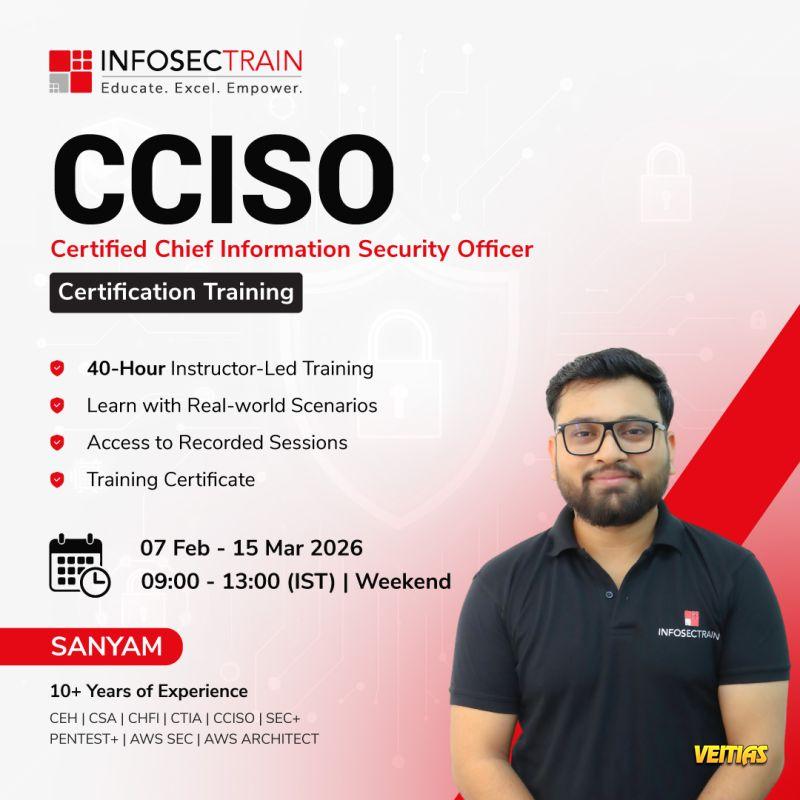
  • 𝗖𝗖𝗜𝗦𝗢 – 𝗖𝗲𝗿𝘁𝗶𝗳𝗶𝗲𝗱 𝗖𝗵𝗶𝗲𝗳 𝗜𝗻𝗳𝗼𝗿𝗺𝗮𝘁𝗶𝗼𝗻 𝗦𝗲𝗰𝘂𝗿𝗶𝘁𝘆 𝗢𝗳𝗳𝗶𝗰𝗲𝗿 𝗧𝗿𝗮𝗶𝗻𝗶𝗻𝗴.

    Become the Security Leader Organizations Rely On

    Step into executive cybersecurity leadership with InfosecTrain’s 𝗖𝗖𝗜𝗦𝗢 𝗖𝗲𝗿𝘁𝗶𝗳𝗶𝗰𝗮𝘁𝗶𝗼𝗻 𝗧𝗿𝗮𝗶𝗻𝗶𝗻𝗴. This 40-hour, instructor-led program is built for professionals ready to move from technical roles to strategic security leadership.

    𝟬𝟳 𝗙𝗲𝗯 – 𝟭𝟱 𝗠𝗮𝗿 𝟮𝟬𝟮𝟲 | 𝟬𝟵:𝟬𝟬–𝟭𝟯:𝟬𝟬 (𝗜𝗦𝗧) | 𝗪𝗲𝗲𝗸𝗲𝗻𝗱𝘀
    Instructor: Sanyam Negi (10+ Years Experience)

    𝗪𝗵𝗮𝘁 𝗬𝗼𝘂 𝗚𝗲𝘁:
    Real-world, CISO-level scenarios
    Access to recorded sessions
    Training certificate
    Leadership-focused security mindset
    🔐𝗖𝗖𝗜𝗦𝗢 – 𝗖𝗲𝗿𝘁𝗶𝗳𝗶𝗲𝗱 𝗖𝗵𝗶𝗲𝗳 𝗜𝗻𝗳𝗼𝗿𝗺𝗮𝘁𝗶𝗼𝗻 𝗦𝗲𝗰𝘂𝗿𝗶𝘁𝘆 𝗢𝗳𝗳𝗶𝗰𝗲𝗿 𝗧𝗿𝗮𝗶𝗻𝗶𝗻𝗴. Become the Security Leader Organizations Rely On Step into executive cybersecurity leadership with InfosecTrain’s 𝗖𝗖𝗜𝗦𝗢 𝗖𝗲𝗿𝘁𝗶𝗳𝗶𝗰𝗮𝘁𝗶𝗼𝗻 𝗧𝗿𝗮𝗶𝗻𝗶𝗻𝗴. This 40-hour, instructor-led program is built for professionals ready to move from technical roles to strategic security leadership. 📅 𝟬𝟳 𝗙𝗲𝗯 – 𝟭𝟱 𝗠𝗮𝗿 𝟮𝟬𝟮𝟲 | 🕘 𝟬𝟵:𝟬𝟬–𝟭𝟯:𝟬𝟬 (𝗜𝗦𝗧) | 𝗪𝗲𝗲𝗸𝗲𝗻𝗱𝘀 👨‍🏫 Instructor: Sanyam Negi (10+ Years Experience) 📌 𝗪𝗵𝗮𝘁 𝗬𝗼𝘂 𝗚𝗲𝘁: ⭐ Real-world, CISO-level scenarios ⭐ Access to recorded sessions ⭐ Training certificate ⭐ Leadership-focused security mindset
    0 Comentários 0 Compartilhamentos 4455 Visualizações 0 Anterior
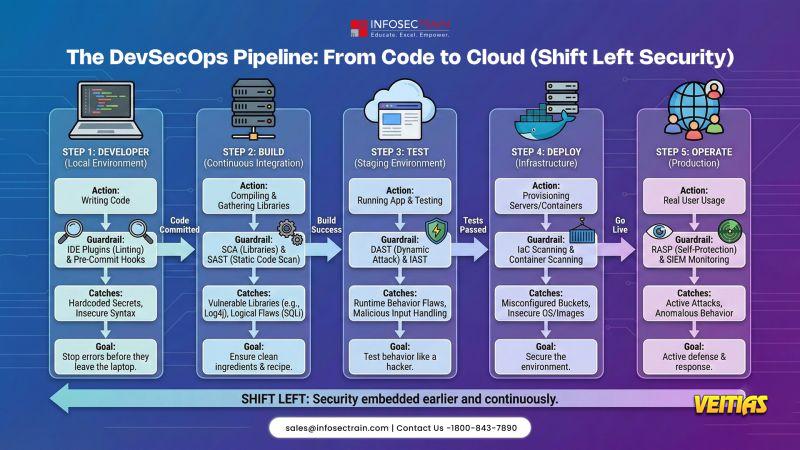
  • The DevSecOps Pipeline: Securing the Path from Code to Cloud

    The modern development lifecycle demands that security is integrated, not added on. By shifting left, organizations can catch hardcoded secrets at the developer's laptop and identify vulnerable libraries during the build phase. This comprehensive pipeline moves through dynamic testing in staging to infrastructure scanning during deployment. Finally, it reaches production with active monitoring and self-protection to ensure a resilient cloud environment. This continuous approach transforms security from a bottleneck into a powerful business enabler.

    #DevSecOps #ShiftLeft #CloudSecurity #AppSec #Cybersecurity #InfosecTrain #Infosec
    The DevSecOps Pipeline: Securing the Path from Code to Cloud The modern development lifecycle demands that security is integrated, not added on. By shifting left, organizations can catch hardcoded secrets at the developer's laptop and identify vulnerable libraries during the build phase. This comprehensive pipeline moves through dynamic testing in staging to infrastructure scanning during deployment. Finally, it reaches production with active monitoring and self-protection to ensure a resilient cloud environment. This continuous approach transforms security from a bottleneck into a powerful business enabler. #DevSecOps #ShiftLeft #CloudSecurity #AppSec #Cybersecurity #InfosecTrain #Infosec
    0 Comentários 0 Compartilhamentos 617 Visualizações 0 Anterior
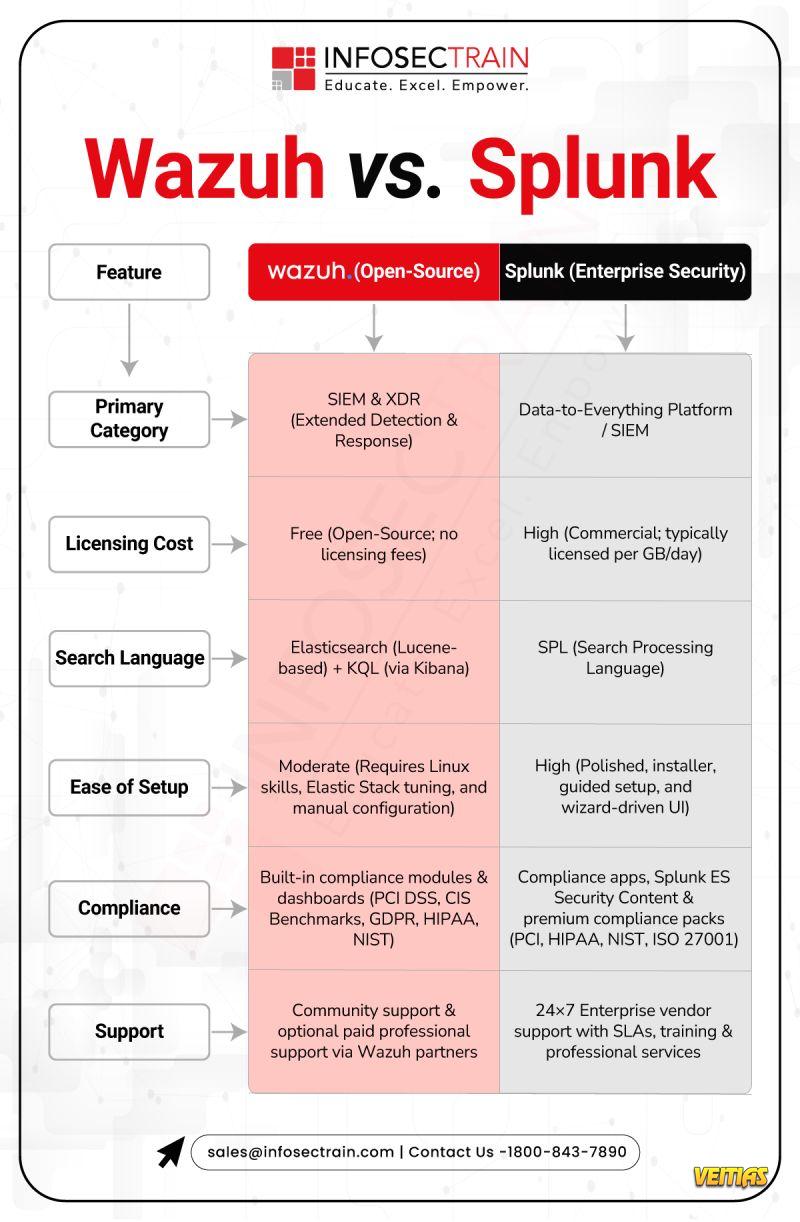
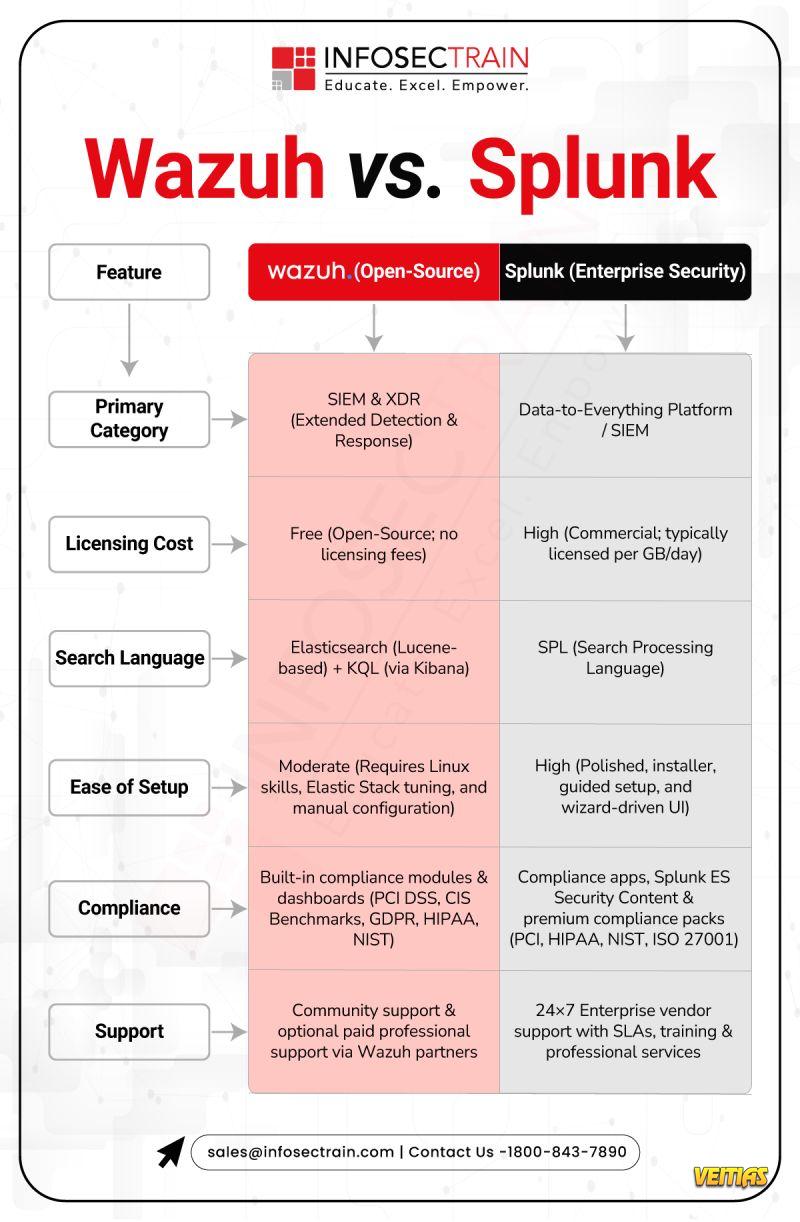
  • Wazuh vs. Splunk: A Practical Comparison of SIEM Platforms

    This visual comparison breaks down the key differences between Wazuh and Splunk to help security teams choose the right SIEM solution. It highlights core aspects such as platform type, licensing cost, search language, ease of setup, compliance support, and enterprise readiness. Wazuh stands out as an open-source SIEM and XDR option with strong community-driven capabilities, while Splunk is positioned as a powerful enterprise-grade data and security analytics platform with advanced features and commercial support. This guide is ideal for SOC teams, security architects, and decision-makers evaluating SIEM tools based on budget, scalability, and operational needs.

    #SIEM #XDR #Wazuh #Splunk #CyberSecurity #SOC #ThreatDetection #LogManagement #SecurityAnalytics #Infosectrain
    Wazuh vs. Splunk: A Practical Comparison of SIEM Platforms This visual comparison breaks down the key differences between Wazuh and Splunk to help security teams choose the right SIEM solution. It highlights core aspects such as platform type, licensing cost, search language, ease of setup, compliance support, and enterprise readiness. Wazuh stands out as an open-source SIEM and XDR option with strong community-driven capabilities, while Splunk is positioned as a powerful enterprise-grade data and security analytics platform with advanced features and commercial support. This guide is ideal for SOC teams, security architects, and decision-makers evaluating SIEM tools based on budget, scalability, and operational needs. #SIEM #XDR #Wazuh #Splunk #CyberSecurity #SOC #ThreatDetection #LogManagement #SecurityAnalytics #Infosectrain
    0 Comentários 0 Compartilhamentos 847 Visualizações 0 Anterior
  • 𝐂𝐡𝐨𝐨𝐬𝐢𝐧𝐠 𝐚 𝐒𝐈𝐄𝐌 𝐢𝐬𝐧’𝐭 𝐚𝐛𝐨𝐮𝐭 𝐰𝐡𝐢𝐜𝐡 𝐭𝐨𝐨𝐥 𝐢𝐬 “𝐛𝐞𝐭𝐭𝐞𝐫.”
    𝐈𝐭’𝐬 𝐚𝐛𝐨𝐮𝐭 𝐰𝐡𝐢𝐜𝐡 𝐨𝐧𝐞 𝐟𝐢𝐭𝐬 𝐲𝐨𝐮𝐫 𝐫𝐞𝐚𝐥𝐢𝐭𝐲.
    Wazuh gives teams 𝐚𝐧 𝐨𝐩𝐞𝐧-𝐬𝐨𝐮𝐫𝐜𝐞, 𝐟𝐥𝐞𝐱𝐢𝐛𝐥𝐞 𝐒𝐈𝐄𝐌 𝐚𝐧𝐝 𝐗𝐃𝐑 𝐩𝐥𝐚𝐭𝐟𝐨𝐫𝐦 𝐰𝐢𝐭𝐡 𝐬𝐭𝐫𝐨𝐧𝐠 𝐜𝐨𝐦𝐩𝐥𝐢𝐚𝐧𝐜𝐞 𝐜𝐨𝐯𝐞𝐫𝐚𝐠𝐞 𝐚𝐧𝐝 𝐟𝐮𝐥𝐥 𝐜𝐨𝐧𝐭𝐫𝐨𝐥.
    Splunk offers a polished, enterprise-grade experience built for scale, speed, and managed operations.

    𝐁𝐨𝐭𝐡 𝐬𝐨𝐥𝐯𝐞 𝐫𝐞𝐚𝐥 𝐩𝐫𝐨𝐛𝐥𝐞𝐦𝐬.
    The difference lies in budget, skills, and how much control you want over your security stack.
    𝐈𝐟 𝐲𝐨𝐮’𝐫𝐞 𝐥𝐨𝐨𝐤𝐢𝐧𝐠 𝐭𝐨 𝐛𝐮𝐢𝐥𝐝 𝐡𝐚𝐧𝐝𝐬-𝐨𝐧 𝐒𝐈𝐄𝐌 𝐬𝐤𝐢𝐥𝐥𝐬 𝐰𝐢𝐭𝐡 𝐖𝐚𝐳𝐮𝐡 𝐚𝐧𝐝 𝐮𝐧𝐝𝐞𝐫𝐬𝐭𝐚𝐧𝐝 𝐡𝐨𝐰 𝐢𝐭 𝐰𝐨𝐫𝐤𝐬 𝐢𝐧 𝐫𝐞𝐚𝐥 𝐒𝐎𝐂 𝐞𝐧𝐯𝐢𝐫𝐨𝐧𝐦𝐞𝐧𝐭𝐬, 𝐬𝐭𝐫𝐮𝐜𝐭𝐮𝐫𝐞𝐝 𝐭𝐫𝐚𝐢𝐧𝐢𝐧𝐠 𝐦𝐚𝐤𝐞𝐬 𝐚𝐥𝐥 𝐭𝐡𝐞 𝐝𝐢𝐟𝐟𝐞𝐫𝐞𝐧𝐜𝐞.
    𝐂𝐡𝐨𝐨𝐬𝐢𝐧𝐠 𝐚 𝐒𝐈𝐄𝐌 𝐢𝐬𝐧’𝐭 𝐚𝐛𝐨𝐮𝐭 𝐰𝐡𝐢𝐜𝐡 𝐭𝐨𝐨𝐥 𝐢𝐬 “𝐛𝐞𝐭𝐭𝐞𝐫.” 𝐈𝐭’𝐬 𝐚𝐛𝐨𝐮𝐭 𝐰𝐡𝐢𝐜𝐡 𝐨𝐧𝐞 𝐟𝐢𝐭𝐬 𝐲𝐨𝐮𝐫 𝐫𝐞𝐚𝐥𝐢𝐭𝐲. Wazuh gives teams 𝐚𝐧 𝐨𝐩𝐞𝐧-𝐬𝐨𝐮𝐫𝐜𝐞, 𝐟𝐥𝐞𝐱𝐢𝐛𝐥𝐞 𝐒𝐈𝐄𝐌 𝐚𝐧𝐝 𝐗𝐃𝐑 𝐩𝐥𝐚𝐭𝐟𝐨𝐫𝐦 𝐰𝐢𝐭𝐡 𝐬𝐭𝐫𝐨𝐧𝐠 𝐜𝐨𝐦𝐩𝐥𝐢𝐚𝐧𝐜𝐞 𝐜𝐨𝐯𝐞𝐫𝐚𝐠𝐞 𝐚𝐧𝐝 𝐟𝐮𝐥𝐥 𝐜𝐨𝐧𝐭𝐫𝐨𝐥. Splunk offers a polished, enterprise-grade experience built for scale, speed, and managed operations. 𝐁𝐨𝐭𝐡 𝐬𝐨𝐥𝐯𝐞 𝐫𝐞𝐚𝐥 𝐩𝐫𝐨𝐛𝐥𝐞𝐦𝐬. The difference lies in budget, skills, and how much control you want over your security stack. 𝐈𝐟 𝐲𝐨𝐮’𝐫𝐞 𝐥𝐨𝐨𝐤𝐢𝐧𝐠 𝐭𝐨 𝐛𝐮𝐢𝐥𝐝 𝐡𝐚𝐧𝐝𝐬-𝐨𝐧 𝐒𝐈𝐄𝐌 𝐬𝐤𝐢𝐥𝐥𝐬 𝐰𝐢𝐭𝐡 𝐖𝐚𝐳𝐮𝐡 𝐚𝐧𝐝 𝐮𝐧𝐝𝐞𝐫𝐬𝐭𝐚𝐧𝐝 𝐡𝐨𝐰 𝐢𝐭 𝐰𝐨𝐫𝐤𝐬 𝐢𝐧 𝐫𝐞𝐚𝐥 𝐒𝐎𝐂 𝐞𝐧𝐯𝐢𝐫𝐨𝐧𝐦𝐞𝐧𝐭𝐬, 𝐬𝐭𝐫𝐮𝐜𝐭𝐮𝐫𝐞𝐝 𝐭𝐫𝐚𝐢𝐧𝐢𝐧𝐠 𝐦𝐚𝐤𝐞𝐬 𝐚𝐥𝐥 𝐭𝐡𝐞 𝐝𝐢𝐟𝐟𝐞𝐫𝐞𝐧𝐜𝐞.
    0 Comentários 0 Compartilhamentos 3885 Visualizações 0 Anterior
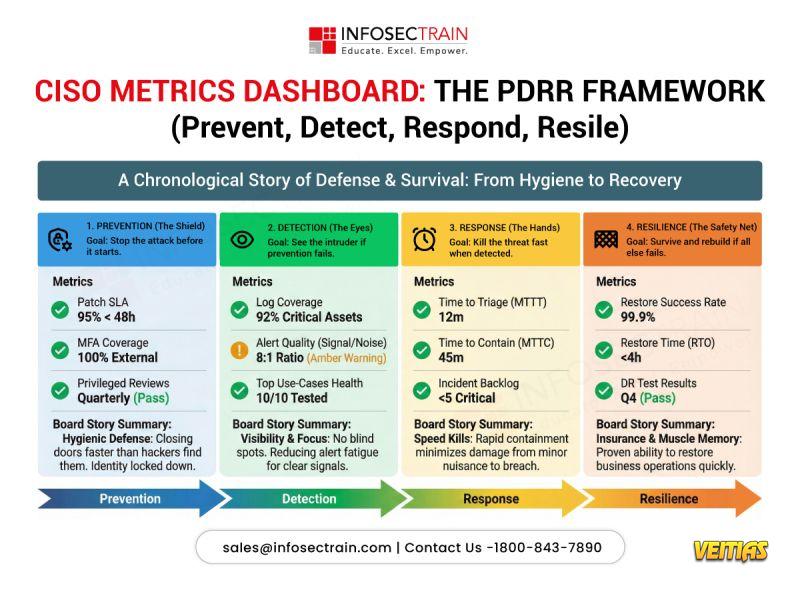
  • 𝐖𝐡𝐚𝐭 𝐠𝐞𝐭𝐬 𝐦𝐞𝐚𝐬𝐮𝐫𝐞𝐝 𝐠𝐞𝐭𝐬 𝐦𝐚𝐧𝐚𝐠𝐞𝐝, 𝐞𝐬𝐩𝐞𝐜𝐢𝐚𝐥𝐥𝐲 𝐚𝐭 𝐭𝐡𝐞 𝐂𝐈𝐒𝐎 𝐥𝐞𝐯𝐞𝐥.
    Modern security leadership isn’t about counting alerts.

    It’s about 𝐭𝐞𝐥𝐥𝐢𝐧𝐠 𝐚 𝐜𝐥𝐞𝐚𝐫, 𝐛𝐮𝐬𝐢𝐧𝐞𝐬𝐬-𝐟𝐨𝐜𝐮𝐬𝐞𝐝 𝐫𝐢𝐬𝐤 𝐬𝐭𝐨𝐫𝐲 𝐭𝐨 𝐭𝐡𝐞 𝐛𝐨𝐚𝐫𝐝.
    The PDRR framework (𝐏𝐫𝐞𝐯𝐞𝐧𝐭, 𝐃𝐞𝐭𝐞𝐜𝐭, 𝐑𝐞𝐬𝐩𝐨𝐧𝐝, 𝐑𝐞𝐬𝐢𝐥𝐞) helps CISOs align metrics across the entire security lifecycle:
    • 𝐏𝐫𝐞𝐯𝐞𝐧𝐭 – Reduce attack opportunities
    • 𝐃𝐞𝐭𝐞𝐜𝐭 – Gain early, high-fidelity visibility
    • 𝐑𝐞𝐬𝐩𝐨𝐧𝐝 – Contain threats quickly
    • 𝐑𝐞𝐬𝐢𝐥𝐞 – Recover and sustain business operations

    When metrics follow this structure, 𝐜𝐨𝐧𝐯𝐞𝐫𝐬𝐚𝐭𝐢𝐨𝐧𝐬 𝐬𝐡𝐢𝐟𝐭 𝐟𝐫𝐨𝐦 𝐭𝐨𝐨𝐥𝐬 𝐭𝐨 𝐫𝐢𝐬𝐤, 𝐫𝐞𝐬𝐢𝐥𝐢𝐞𝐧𝐜𝐞, 𝐚𝐧𝐝 𝐨𝐮𝐭𝐜𝐨𝐦𝐞𝐬.
    𝐖𝐡𝐚𝐭 𝐠𝐞𝐭𝐬 𝐦𝐞𝐚𝐬𝐮𝐫𝐞𝐝 𝐠𝐞𝐭𝐬 𝐦𝐚𝐧𝐚𝐠𝐞𝐝, 𝐞𝐬𝐩𝐞𝐜𝐢𝐚𝐥𝐥𝐲 𝐚𝐭 𝐭𝐡𝐞 𝐂𝐈𝐒𝐎 𝐥𝐞𝐯𝐞𝐥. Modern security leadership isn’t about counting alerts. It’s about 𝐭𝐞𝐥𝐥𝐢𝐧𝐠 𝐚 𝐜𝐥𝐞𝐚𝐫, 𝐛𝐮𝐬𝐢𝐧𝐞𝐬𝐬-𝐟𝐨𝐜𝐮𝐬𝐞𝐝 𝐫𝐢𝐬𝐤 𝐬𝐭𝐨𝐫𝐲 𝐭𝐨 𝐭𝐡𝐞 𝐛𝐨𝐚𝐫𝐝. The PDRR framework (𝐏𝐫𝐞𝐯𝐞𝐧𝐭, 𝐃𝐞𝐭𝐞𝐜𝐭, 𝐑𝐞𝐬𝐩𝐨𝐧𝐝, 𝐑𝐞𝐬𝐢𝐥𝐞) helps CISOs align metrics across the entire security lifecycle: • 𝐏𝐫𝐞𝐯𝐞𝐧𝐭 – Reduce attack opportunities • 𝐃𝐞𝐭𝐞𝐜𝐭 – Gain early, high-fidelity visibility • 𝐑𝐞𝐬𝐩𝐨𝐧𝐝 – Contain threats quickly • 𝐑𝐞𝐬𝐢𝐥𝐞 – Recover and sustain business operations When metrics follow this structure, 𝐜𝐨𝐧𝐯𝐞𝐫𝐬𝐚𝐭𝐢𝐨𝐧𝐬 𝐬𝐡𝐢𝐟𝐭 𝐟𝐫𝐨𝐦 𝐭𝐨𝐨𝐥𝐬 𝐭𝐨 𝐫𝐢𝐬𝐤, 𝐫𝐞𝐬𝐢𝐥𝐢𝐞𝐧𝐜𝐞, 𝐚𝐧𝐝 𝐨𝐮𝐭𝐜𝐨𝐦𝐞𝐬.
    0 Comentários 0 Compartilhamentos 6558 Visualizações 0 Anterior
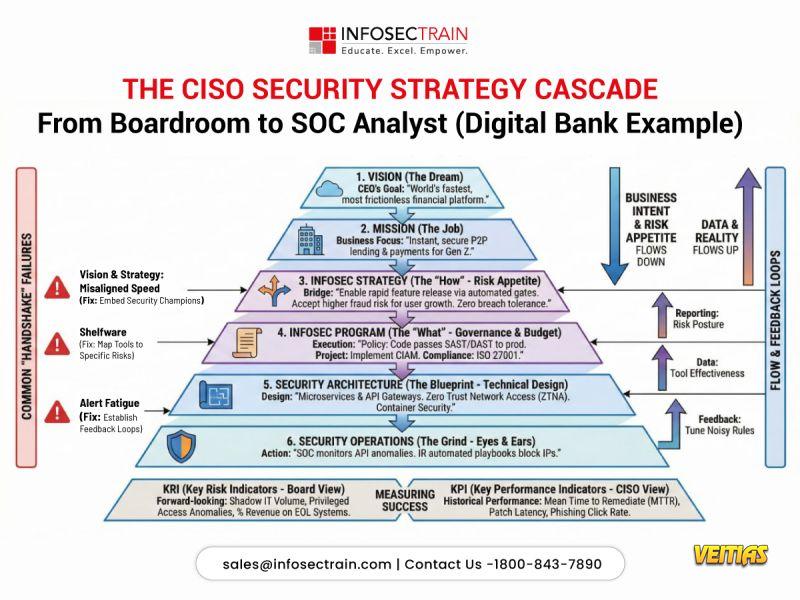
  • Why do security strategies fail between the boardroom and the SOC?
    Because vision doesn’t always translate into execution.

    A strong CISO strategy must cascade clearly:

    * From business vision to defined risk appetite
    * From governance to security architecture
    * From architecture to SOC actions
    * From alerts to measurable business outcomes

    When this alignment breaks, organizations experience misaligned priorities, shelfware tools, and alert fatigue. Modern security leadership is about connecting intent, risk, technology, and operations into a single, continuous feedback loop.

    If you’re stepping into, or already in, a CISO role, mastering this translation from strategy to execution is non-negotiable.

    Build real CISO-level strategy and execution skills.
    Why do security strategies fail between the boardroom and the SOC? Because vision doesn’t always translate into execution. A strong CISO strategy must cascade clearly: * From business vision to defined risk appetite * From governance to security architecture * From architecture to SOC actions * From alerts to measurable business outcomes When this alignment breaks, organizations experience misaligned priorities, shelfware tools, and alert fatigue. Modern security leadership is about connecting intent, risk, technology, and operations into a single, continuous feedback loop. If you’re stepping into, or already in, a CISO role, mastering this translation from strategy to execution is non-negotiable. Build real CISO-level strategy and execution skills.
    0 Comentários 0 Compartilhamentos 9726 Visualizações 0 Anterior
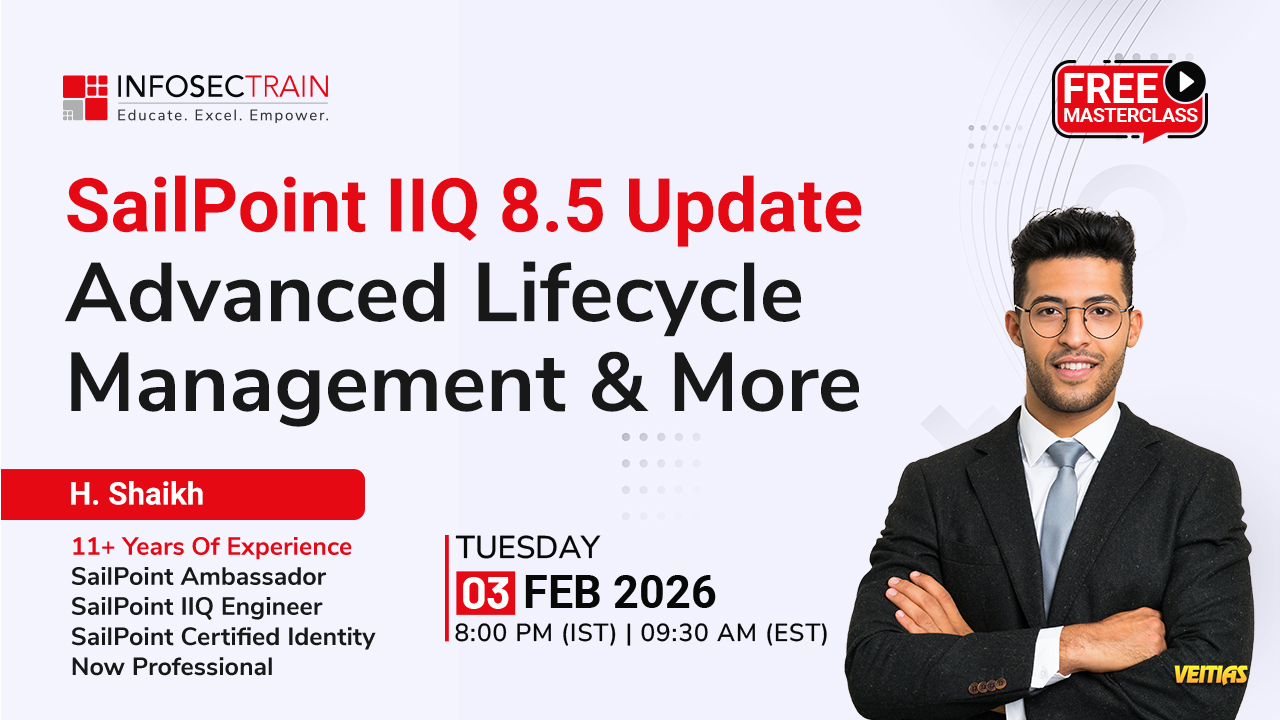
  • Free Masterclass Alert: SailPoint IIQ 8.5 Update – Advanced Lifecycle Management & More

    Identity governance is evolving fast and if you’re working with SailPoint IIQ, staying updated isn’t optional. Join this free, expert-led masterclass to explore what’s new in SailPoint IIQ 8.5 and how to manage complex identity lifecycles more effectively.

    Date: 03 Feb (Tue) ⌚️ Time: 8– 9 PM (IST) Speaker: H. Shaikh

    Register for Free https://www.infosectrain.com/events/sailpoint-iiq-8-5-update-advanced-lifecycle-management-more

    What You’ll Learn
    Overview & key objectives of SailPoint IIQ 8.5
    Advanced Lifecycle Management
    • Custom lifecycle events
    • Dynamic role and policy management
    • Best practices for complex identity flows
    SailPoint IIQ 8.5 Highlights
    • New features and enhancements
    • Improved UI/UX experience
    • Performance and security updates
    Integration tips and real-world use cases
    Live Q&A with the expert

    Why You Should Attend
    Earn a CPE Certificate
    Get FREE Career Guidance & Mentorship
    Learn directly from an industry expert

    Whether you’re an IAM professional, SailPoint administrator, or identity engineer, this session will help you optimize identity lifecycle management and get the most out of SailPoint IIQ 8.5.

    #SailPoint #IIQ85 #IAM #IdentityGovernance #InfosecTrain #CyberSecurity #AccessManagement #CPE #FreeWebinar
    Free Masterclass Alert: SailPoint IIQ 8.5 Update – Advanced Lifecycle Management & More Identity governance is evolving fast and if you’re working with SailPoint IIQ, staying updated isn’t optional. Join this free, expert-led masterclass to explore what’s new in SailPoint IIQ 8.5 and how to manage complex identity lifecycles more effectively. 📅 Date: 03 Feb (Tue) ⌚️ Time: 8– 9 PM (IST) 🎤 Speaker: H. Shaikh 🎯 Register for Free👉 https://www.infosectrain.com/events/sailpoint-iiq-8-5-update-advanced-lifecycle-management-more 🔍 What You’ll Learn ✅ Overview & key objectives of SailPoint IIQ 8.5 ✅ Advanced Lifecycle Management • Custom lifecycle events • Dynamic role and policy management • Best practices for complex identity flows ✅ SailPoint IIQ 8.5 Highlights • New features and enhancements • Improved UI/UX experience • Performance and security updates ✅ Integration tips and real-world use cases ✅ Live Q&A with the expert 💡 Why You Should Attend 👉 Earn a CPE Certificate 👉 Get FREE Career Guidance & Mentorship 👉 Learn directly from an industry expert Whether you’re an IAM professional, SailPoint administrator, or identity engineer, this session will help you optimize identity lifecycle management and get the most out of SailPoint IIQ 8.5. #SailPoint #IIQ85 #IAM #IdentityGovernance #InfosecTrain #CyberSecurity #AccessManagement #CPE #FreeWebinar
    0 Comentários 0 Compartilhamentos 10571 Visualizações 0 Anterior
  • 𝐓𝐨𝐩 𝐓𝐨𝐨𝐥𝐬 𝐚𝐧𝐝 𝐓𝐞𝐜𝐡𝐧𝐢𝐪𝐮𝐞𝐬 𝐟𝐨𝐫 𝐌𝐨𝐝𝐞𝐥 𝐈𝐧𝐭𝐞𝐫𝐩𝐫𝐞𝐭𝐚𝐛𝐢𝐥𝐢𝐭𝐲

    Modern AI models are incredibly smart, but they often come with a problem: no one can explain how they reached a decision. In areas like cybersecurity, healthcare, and finance, that’s a serious risk. Accuracy alone isn’t enough anymore 𝐮𝐧𝐝𝐞𝐫𝐬𝐭𝐚𝐧𝐝𝐢𝐧𝐠 𝐭𝐡𝐞 “𝐰𝐡𝐲” 𝐦𝐚𝐭𝐭𝐞𝐫𝐬.

    This is exactly why 𝐄𝐱𝐩𝐥𝐚𝐢𝐧𝐚𝐛𝐥𝐞 𝐀𝐈 (𝐗𝐀𝐈) matters. The system provides insight into model operations while it enables us to identify faults in the system at an early stage and create dependable systems.

    𝐑𝐞𝐚𝐝 𝐭𝐡𝐞 𝐝𝐞𝐭𝐚𝐢𝐥𝐞𝐝 𝐛𝐫𝐞𝐚𝐤𝐝𝐨𝐰𝐧 𝐡𝐞𝐫𝐞: https://www.infosectrain.com/blog/top-tools-and-techniques-for-model-interpretability

    AI doesn’t just need to be accurate. It needs to be understandable, defensible, and trustworthy.

    #ExplainableAI #XAI #AIGovernance #ResponsibleAI #CyberSecurity #MachineLearning #AITransparency #EthicalAI #ModelInterpretability
    𝐓𝐨𝐩 𝐓𝐨𝐨𝐥𝐬 𝐚𝐧𝐝 𝐓𝐞𝐜𝐡𝐧𝐢𝐪𝐮𝐞𝐬 𝐟𝐨𝐫 𝐌𝐨𝐝𝐞𝐥 𝐈𝐧𝐭𝐞𝐫𝐩𝐫𝐞𝐭𝐚𝐛𝐢𝐥𝐢𝐭𝐲 Modern AI models are incredibly smart, but they often come with a problem: no one can explain how they reached a decision. In areas like cybersecurity, healthcare, and finance, that’s a serious risk. Accuracy alone isn’t enough anymore 👉 𝐮𝐧𝐝𝐞𝐫𝐬𝐭𝐚𝐧𝐝𝐢𝐧𝐠 𝐭𝐡𝐞 “𝐰𝐡𝐲” 𝐦𝐚𝐭𝐭𝐞𝐫𝐬. This is exactly why 𝐄𝐱𝐩𝐥𝐚𝐢𝐧𝐚𝐛𝐥𝐞 𝐀𝐈 (𝐗𝐀𝐈) matters. The system provides insight into model operations while it enables us to identify faults in the system at an early stage and create dependable systems. 🔗 𝐑𝐞𝐚𝐝 𝐭𝐡𝐞 𝐝𝐞𝐭𝐚𝐢𝐥𝐞𝐝 𝐛𝐫𝐞𝐚𝐤𝐝𝐨𝐰𝐧 𝐡𝐞𝐫𝐞: https://www.infosectrain.com/blog/top-tools-and-techniques-for-model-interpretability ✅ AI doesn’t just need to be accurate. It needs to be understandable, defensible, and trustworthy. #ExplainableAI #XAI #AIGovernance #ResponsibleAI #CyberSecurity #MachineLearning #AITransparency #EthicalAI #ModelInterpretability
    WWW.INFOSECTRAIN.COM
    Top Tools and Techniques for Model Interpretability
    Explore top tools and techniques for model interpretability to explain AI decisions, improve trust, and meet compliance needs.
    0 Comentários 0 Compartilhamentos 10820 Visualizações 0 Anterior
Páginas Impulsionadas