
• Types of Firewalls Explained: A Practical Security Overview

    Firewalls are a foundational component of network security, designed to monitor and control incoming and outgoing traffic based on predefined rules. This visual overview explains the major types of firewalls, including packet filtering, proxy firewalls, stateful multi-layer inspection, unified threat management, next-generation firewalls, NAT firewalls, and virtual firewalls. Understanding these firewall types helps organizations choose the right security controls to protect networks, applications, and data from evolving cyber threats.

    #CyberSecurity #NetworkSecurity #Firewalls #InfoSec #SecurityArchitecture #NGFW #UTM #ITSecurity #CyberDefense #Infosectrain
    Types of Firewalls Explained: A Practical Security Overview Firewalls are a foundational component of network security, designed to monitor and control incoming and outgoing traffic based on predefined rules. This visual overview explains the major types of firewalls, including packet filtering, proxy firewalls, stateful multi-layer inspection, unified threat management, next-generation firewalls, NAT firewalls, and virtual firewalls. Understanding these firewall types helps organizations choose the right security controls to protect networks, applications, and data from evolving cyber threats. #CyberSecurity #NetworkSecurity #Firewalls #InfoSec #SecurityArchitecture #NGFW #UTM #ITSecurity #CyberDefense #Infosectrain
    0 Σχόλια 0 Μοιράστηκε 343 Views 0 Προεπισκόπηση
  • 𝐖𝐡𝐨 𝐦𝐢𝐠𝐡𝐭 𝐛𝐞 𝐦𝐨𝐧𝐢𝐭𝐨𝐫𝐢𝐧𝐠 𝐲𝐨𝐮𝐫 𝐧𝐞𝐭𝐰𝐨𝐫𝐤 𝐰𝐡𝐢𝐥𝐞 𝐲𝐨𝐮 𝐬𝐥𝐞𝐞𝐩?

    In 𝐜𝐲𝐛𝐞𝐫𝐬𝐞𝐜𝐮𝐫𝐢𝐭𝐲, 𝐚𝐮𝐝𝐢𝐭 𝐥𝐨𝐠𝐬 are the only witnesses awake at 3 A.M.

    𝐈𝐝𝐞𝐧𝐭𝐢𝐭𝐲 𝐀𝐜𝐜𝐨𝐮𝐧𝐭𝐢𝐧𝐠 𝐢𝐬 𝐭𝐡𝐞 𝐦𝐨𝐬𝐭 𝐢𝐠𝐧𝐨𝐫𝐞𝐝 𝐩𝐚𝐫𝐭 𝐨𝐟 𝐀𝐀𝐀, 𝐲𝐞𝐭 𝐢𝐭’𝐬 𝐨𝐟𝐭𝐞𝐧 𝐭𝐡𝐞 𝐨𝐧𝐥𝐲 𝐭𝐡𝐢𝐧𝐠 𝐬𝐭𝐚𝐧𝐝𝐢𝐧𝐠 𝐛𝐞𝐭𝐰𝐞𝐞𝐧 𝐜𝐥𝐚𝐫𝐢𝐭𝐲 𝐚𝐧𝐝 𝐜𝐡𝐚𝐨𝐬 𝐝𝐮𝐫𝐢𝐧𝐠 𝐚𝐧 𝐢𝐧𝐜𝐢𝐝𝐞𝐧𝐭. If you can’t answer who did what, when, and from where, you don’t have security you have assumptions.

    𝐀𝐮𝐭𝐡𝐞𝐧𝐭𝐢𝐜𝐚𝐭𝐢𝐨𝐧 = Who you are
    𝐀𝐮𝐭𝐡𝐨𝐫𝐢𝐳𝐚𝐭𝐢𝐨𝐧 = What you can do
    𝐀𝐜𝐜𝐨𝐮𝐧𝐭𝐢𝐧𝐠 = What actually happened

    Think of Identity Accounting as your network's "Black Box" flight recorder.[𝐒𝐨𝐮𝐫𝐜𝐞 𝐍𝐨𝐭𝐞: 𝐓𝐡𝐢𝐬 𝐚𝐧𝐚𝐥𝐨𝐠𝐲 𝐢𝐬 𝐧𝐨𝐭 𝐟𝐫𝐨𝐦 𝐭𝐡𝐞 𝐬𝐨𝐮𝐫𝐜𝐞𝐬 𝐛𝐮𝐭 𝐢𝐬 𝐮𝐬𝐞𝐝 𝐭𝐨 𝐜𝐥𝐚𝐫𝐢𝐟𝐲 𝐭𝐡𝐞 𝐜𝐨𝐧𝐜𝐞𝐩𝐭]. It captures every significant action, who had access to what, when did they do it, and by what means. From 𝐇𝐈𝐏𝐀𝐀 that secures patient data to 𝐏𝐂𝐈 𝐃𝐒𝐒 that protects your credit card details, proper logging is the basic element that keeps our digital existence secured and compliant.

    𝐑𝐞𝐚𝐝 𝐦𝐨𝐫𝐞 𝐡𝐞𝐫𝐞: https://www.infosectrain.com/blog/isc2-issap-domain-4-4-4-architect-identity-accounting

    Don't let your business operate the nether-most layer of cyber dangers. Get hands-on learning with 𝐈𝐧𝐟𝐨𝐬𝐞𝐜 𝐓𝐫𝐚𝐢𝐧 𝐈𝐒𝐒𝐀𝐏 𝐓𝐫𝐚𝐢𝐧𝐢𝐧𝐠 and be on the road to becoming a security architect.

    #CyberSecurity #IAM #IdentityAccounting #ISSAP #InfosecTrain #AuditLogs #DigitalForensics #SecurityArchitecture #CyberResilience
    𝐖𝐡𝐨 𝐦𝐢𝐠𝐡𝐭 𝐛𝐞 𝐦𝐨𝐧𝐢𝐭𝐨𝐫𝐢𝐧𝐠 𝐲𝐨𝐮𝐫 𝐧𝐞𝐭𝐰𝐨𝐫𝐤 𝐰𝐡𝐢𝐥𝐞 𝐲𝐨𝐮 𝐬𝐥𝐞𝐞𝐩? In 𝐜𝐲𝐛𝐞𝐫𝐬𝐞𝐜𝐮𝐫𝐢𝐭𝐲, 𝐚𝐮𝐝𝐢𝐭 𝐥𝐨𝐠𝐬 are the only witnesses awake at 3 A.M. ✅ 𝐈𝐝𝐞𝐧𝐭𝐢𝐭𝐲 𝐀𝐜𝐜𝐨𝐮𝐧𝐭𝐢𝐧𝐠 𝐢𝐬 𝐭𝐡𝐞 𝐦𝐨𝐬𝐭 𝐢𝐠𝐧𝐨𝐫𝐞𝐝 𝐩𝐚𝐫𝐭 𝐨𝐟 𝐀𝐀𝐀, 𝐲𝐞𝐭 𝐢𝐭’𝐬 𝐨𝐟𝐭𝐞𝐧 𝐭𝐡𝐞 𝐨𝐧𝐥𝐲 𝐭𝐡𝐢𝐧𝐠 𝐬𝐭𝐚𝐧𝐝𝐢𝐧𝐠 𝐛𝐞𝐭𝐰𝐞𝐞𝐧 𝐜𝐥𝐚𝐫𝐢𝐭𝐲 𝐚𝐧𝐝 𝐜𝐡𝐚𝐨𝐬 𝐝𝐮𝐫𝐢𝐧𝐠 𝐚𝐧 𝐢𝐧𝐜𝐢𝐝𝐞𝐧𝐭. If you can’t answer who did what, when, and from where, you don’t have security ➡️ you have assumptions. ☑️ 𝐀𝐮𝐭𝐡𝐞𝐧𝐭𝐢𝐜𝐚𝐭𝐢𝐨𝐧 = Who you are ☑️𝐀𝐮𝐭𝐡𝐨𝐫𝐢𝐳𝐚𝐭𝐢𝐨𝐧 = What you can do ☑️𝐀𝐜𝐜𝐨𝐮𝐧𝐭𝐢𝐧𝐠 = What actually happened Think of Identity Accounting as your network's "Black Box" flight recorder.[𝐒𝐨𝐮𝐫𝐜𝐞 𝐍𝐨𝐭𝐞: 𝐓𝐡𝐢𝐬 𝐚𝐧𝐚𝐥𝐨𝐠𝐲 𝐢𝐬 𝐧𝐨𝐭 𝐟𝐫𝐨𝐦 𝐭𝐡𝐞 𝐬𝐨𝐮𝐫𝐜𝐞𝐬 𝐛𝐮𝐭 𝐢𝐬 𝐮𝐬𝐞𝐝 𝐭𝐨 𝐜𝐥𝐚𝐫𝐢𝐟𝐲 𝐭𝐡𝐞 𝐜𝐨𝐧𝐜𝐞𝐩𝐭]. It captures every significant action, who had access to what, when did they do it, and by what means. From 𝐇𝐈𝐏𝐀𝐀 that secures patient data to 𝐏𝐂𝐈 𝐃𝐒𝐒 that protects your credit card details, proper logging is the basic element that keeps our digital existence secured and compliant. 👉 𝐑𝐞𝐚𝐝 𝐦𝐨𝐫𝐞 𝐡𝐞𝐫𝐞: https://www.infosectrain.com/blog/isc2-issap-domain-4-4-4-architect-identity-accounting ➡️ Don't let your business operate the nether-most layer of cyber dangers. Get hands-on learning with 𝐈𝐧𝐟𝐨𝐬𝐞𝐜 𝐓𝐫𝐚𝐢𝐧 𝐈𝐒𝐒𝐀𝐏 𝐓𝐫𝐚𝐢𝐧𝐢𝐧𝐠 and be on the road to becoming a security architect. #CyberSecurity #IAM #IdentityAccounting #ISSAP #InfosecTrain #AuditLogs #DigitalForensics #SecurityArchitecture #CyberResilience
    0 Σχόλια 0 Μοιράστηκε 3258 Views 0 Προεπισκόπηση
  • Google Account Security: How MFA Keeps Hackers Out!

    In this video, you’ll learn how Multi-Factor Authentication (MFA) adds an extra layer of protection to your Google account. We walk you through the steps to enable MFA and explain how it stops unauthorized access even if your password is compromised. You’ll also understand why MFA is essential for both individuals and organizations in today’s evolving cyber threat landscape.

    Watch Here: https://youtu.be/p9iBwJmPIPI?si=D8kZAb1_4RAR-Jol

    #MultiFactorAuthentication #GoogleSecurity #CyberSecurity #AccountProtection #InfosecTrain #DigitalSafety #MFA #CyberAwareness
    Google Account Security: How MFA Keeps Hackers Out! In this video, you’ll learn how Multi-Factor Authentication (MFA) adds an extra layer of protection to your Google account. We walk you through the steps to enable MFA and explain how it stops unauthorized access even if your password is compromised. You’ll also understand why MFA is essential for both individuals and organizations in today’s evolving cyber threat landscape. Watch Here: https://youtu.be/p9iBwJmPIPI?si=D8kZAb1_4RAR-Jol #MultiFactorAuthentication #GoogleSecurity #CyberSecurity #AccountProtection #InfosecTrain #DigitalSafety #MFA #CyberAwareness
    0 Σχόλια 0 Μοιράστηκε 5615 Views 0 Προεπισκόπηση
  • Google Account Security: How MFA Keeps Hackers Out!

    In this video, you’ll learn how Multi-Factor Authentication (MFA) adds an extra layer of protection to your Google account. We walk you through the steps to enable MFA and explain how it stops unauthorized access even if your password is compromised. You’ll also understand why MFA is essential for both individuals and organizations in today’s evolving cyber threat landscape.

    Watch Here: https://youtu.be/p9iBwJmPIPI?si=D8kZAb1_4RAR-Jol

    #multifactorauthentication #mfa #2stepverification #cybersecurity #accountprotection #infosectrain #cyberawareness #securelogin #gmailsecurity #digitalidentity #onlinesecurity #infosectrain
    Google Account Security: How MFA Keeps Hackers Out! In this video, you’ll learn how Multi-Factor Authentication (MFA) adds an extra layer of protection to your Google account. We walk you through the steps to enable MFA and explain how it stops unauthorized access even if your password is compromised. You’ll also understand why MFA is essential for both individuals and organizations in today’s evolving cyber threat landscape. Watch Here: https://youtu.be/p9iBwJmPIPI?si=D8kZAb1_4RAR-Jol #multifactorauthentication #mfa #2stepverification #cybersecurity #accountprotection #infosectrain #cyberawareness #securelogin #gmailsecurity #digitalidentity #onlinesecurity #infosectrain
    0 Σχόλια 0 Μοιράστηκε 6500 Views 0 Προεπισκόπηση
  • The Seven Layers of the OSI Model Explained

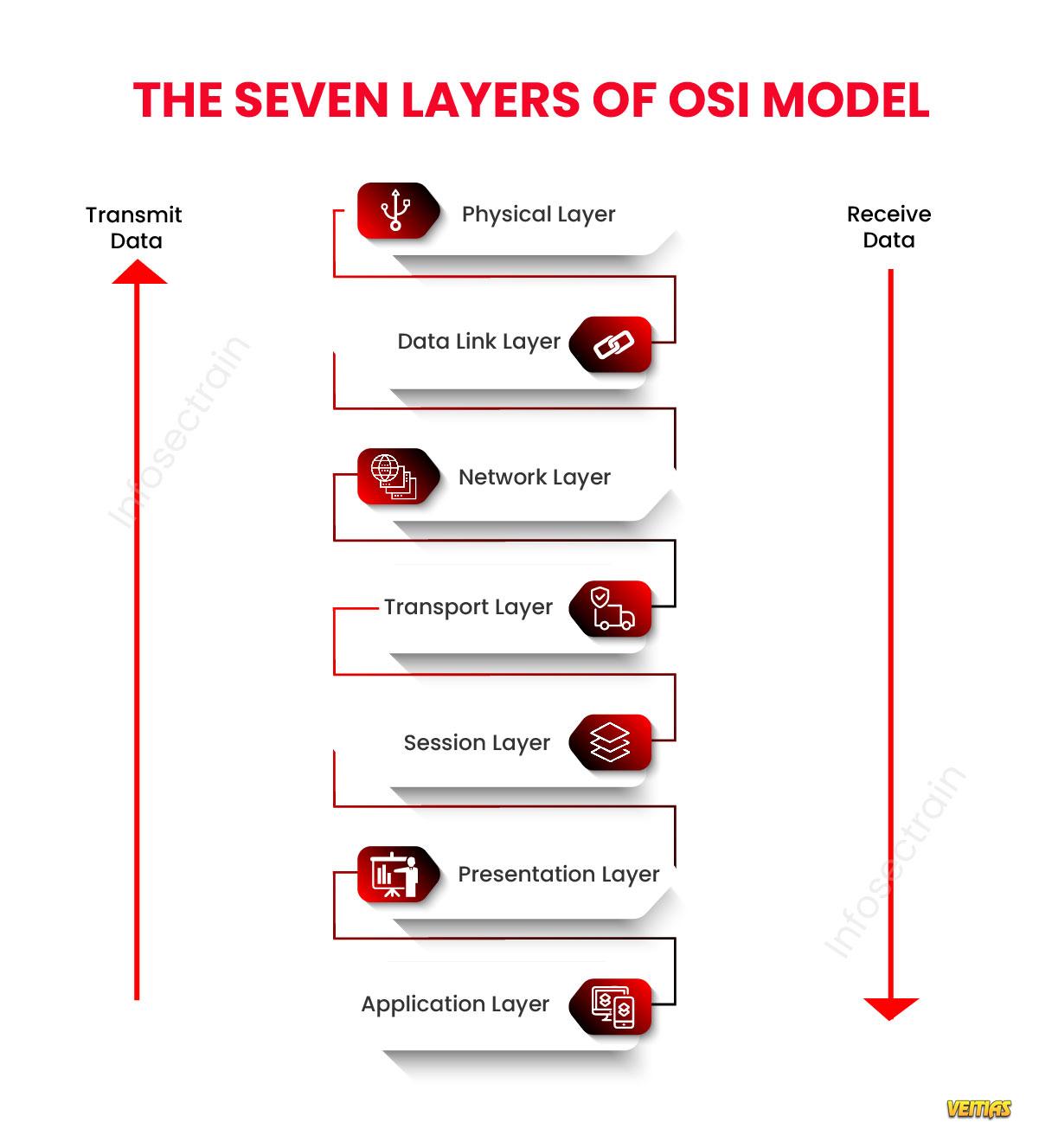
    This infographic presents a clear and structured overview of the Seven Layers of the OSI Model, illustrating how data flows from transmission to reception across different network layers. It explains the role of each layer—Physical, Data Link, Network, Transport, Session, Presentation, and Application—highlighting how they work together to enable reliable, secure, and standardized communication in computer networks. This visual guide is ideal for networking students, IT professionals, and cybersecurity learners seeking a foundational understanding of network architecture.

    #OSIModel #Networking #ComputerNetworks #NetworkArchitecture #CyberSecurity #ITFundamentals #TCPIP #NetworkLayers #TechLearning #InfoSec
    The Seven Layers of the OSI Model Explained This infographic presents a clear and structured overview of the Seven Layers of the OSI Model, illustrating how data flows from transmission to reception across different network layers. It explains the role of each layer—Physical, Data Link, Network, Transport, Session, Presentation, and Application—highlighting how they work together to enable reliable, secure, and standardized communication in computer networks. This visual guide is ideal for networking students, IT professionals, and cybersecurity learners seeking a foundational understanding of network architecture. #OSIModel #Networking #ComputerNetworks #NetworkArchitecture #CyberSecurity #ITFundamentals #TCPIP #NetworkLayers #TechLearning #InfoSec
    0 Σχόλια 0 Μοιράστηκε 201 Views 0 Προεπισκόπηση
  • Key Layers of AI Architecture

    Businesses must adopt responsible AI governance to manage risks, ensure transparency, and stay aligned with global regulations.

    Read Here: https://infosec-train.blogspot.com/2025/11/key-layers-of-ai-architecture.html

    #AIArchitecture #ResponsibleAI #AIGovernance #AICompliance #CAIGS #ArtificialIntelligence #TechInnovation #RiskManagement #DataGovernance #EthicalAI #FutureReadySkills #InfoSecTrain
    Key Layers of AI Architecture Businesses must adopt responsible AI governance to manage risks, ensure transparency, and stay aligned with global regulations. Read Here: https://infosec-train.blogspot.com/2025/11/key-layers-of-ai-architecture.html #AIArchitecture #ResponsibleAI #AIGovernance #AICompliance #CAIGS #ArtificialIntelligence #TechInnovation #RiskManagement #DataGovernance #EthicalAI #FutureReadySkills #InfoSecTrain
    INFOSEC-TRAIN.BLOGSPOT.COM
    Key Layers of AI Architecture
    Artificial Intelligence now runs our world, from search to self-driving cars, but its inner workings are hidden from view. The secret to AI...
    0 Σχόλια 0 Μοιράστηκε 4175 Views 0 Προεπισκόπηση
  • 𝐈𝐒𝐂𝟐 𝐈𝐒𝐒𝐀𝐏 𝐃𝐨𝐦𝐚𝐢𝐧 𝟏.𝟏.𝟐: 𝐀𝐫𝐜𝐡𝐢𝐭𝐞𝐜𝐭𝐢𝐧𝐠 𝐟𝐨𝐫 𝐆𝐨𝐯𝐞𝐫𝐧𝐚𝐧𝐜𝐞, 𝐑𝐢𝐬𝐤, 𝐚𝐧𝐝 𝐂𝐨𝐦𝐩𝐥𝐢𝐚𝐧𝐜𝐞 (𝐆𝐑𝐂)

    Strong cybersecurity architecture isn’t a matter of simply installing controls, it’s making sure the controls are aligned to 𝐆𝐨𝐯𝐞𝐫𝐧𝐚𝐧𝐜𝐞, 𝐑𝐢𝐬𝐤, 𝐚𝐧𝐝 𝐂𝐨𝐦𝐩𝐥𝐢𝐚𝐧𝐜𝐞 (𝐆𝐑𝐂) requirements that are driven by real business needs. 𝐈𝐒𝐂𝟐 𝐈𝐒𝐒𝐀𝐏 𝐃𝐨𝐦𝐚𝐢𝐧 𝟏.𝟏.𝟐 describes the security architect’s ability to be a key player in the ongoing 𝐫𝐢𝐬𝐤 𝐦𝐚𝐧𝐚𝐠𝐞𝐦𝐞𝐧𝐭 𝐩𝐫𝐨𝐜𝐞𝐬𝐬, you identify risk at the technical, operational, and third-party levels, assess it with 𝐪𝐮𝐚𝐥𝐢𝐭𝐚𝐭𝐢𝐯𝐞 𝐦𝐨𝐝𝐞𝐥𝐬 𝐚𝐬 𝐰𝐞𝐥𝐥 𝐚𝐬 𝐪𝐮𝐚𝐧𝐭𝐢𝐭𝐚𝐭𝐢𝐯𝐞 𝐦𝐞𝐭𝐡𝐨𝐝𝐬 𝐬𝐮𝐜𝐡 𝐚𝐬 𝐀𝐧𝐧𝐮𝐚𝐥 𝐋𝐨𝐬𝐬 𝐄𝐱𝐩𝐞𝐜𝐭𝐚𝐧𝐜𝐲 (𝐀𝐋𝐄), and then decide on the most appropriate treatment method- 𝐦𝐢𝐭𝐢𝐠𝐚𝐭𝐞, 𝐭𝐫𝐚𝐧𝐬𝐟𝐞𝐫, 𝐚𝐜𝐜𝐞𝐩𝐭, 𝐨𝐫 𝐚𝐯𝐨𝐢𝐝.

    𝐑𝐞𝐚𝐝 𝐦𝐨𝐫𝐞 𝐡𝐞𝐫𝐞: https://www.infosectrain.com/blog/isc2-issap-domain-1-1-2-architecting-for-governance-risk-and-compliance-grc/

    #ISSAP #ISC2 #GRC #CyberSecurityArchitect #RiskManagement #Compliance #CyberGovernance #DigitalTrust #AuditReadiness #SecurityArchitecture #InfoSecTrain
    𝐈𝐒𝐂𝟐 𝐈𝐒𝐒𝐀𝐏 𝐃𝐨𝐦𝐚𝐢𝐧 𝟏.𝟏.𝟐: 𝐀𝐫𝐜𝐡𝐢𝐭𝐞𝐜𝐭𝐢𝐧𝐠 𝐟𝐨𝐫 𝐆𝐨𝐯𝐞𝐫𝐧𝐚𝐧𝐜𝐞, 𝐑𝐢𝐬𝐤, 𝐚𝐧𝐝 𝐂𝐨𝐦𝐩𝐥𝐢𝐚𝐧𝐜𝐞 (𝐆𝐑𝐂) Strong cybersecurity architecture isn’t a matter of simply installing controls, it’s making sure the controls are aligned to 𝐆𝐨𝐯𝐞𝐫𝐧𝐚𝐧𝐜𝐞, 𝐑𝐢𝐬𝐤, 𝐚𝐧𝐝 𝐂𝐨𝐦𝐩𝐥𝐢𝐚𝐧𝐜𝐞 (𝐆𝐑𝐂) requirements that are driven by real business needs. 𝐈𝐒𝐂𝟐 𝐈𝐒𝐒𝐀𝐏 𝐃𝐨𝐦𝐚𝐢𝐧 𝟏.𝟏.𝟐 describes the security architect’s ability to be a key player in the ongoing 𝐫𝐢𝐬𝐤 𝐦𝐚𝐧𝐚𝐠𝐞𝐦𝐞𝐧𝐭 𝐩𝐫𝐨𝐜𝐞𝐬𝐬, you identify risk at the technical, operational, and third-party levels, assess it with 𝐪𝐮𝐚𝐥𝐢𝐭𝐚𝐭𝐢𝐯𝐞 𝐦𝐨𝐝𝐞𝐥𝐬 𝐚𝐬 𝐰𝐞𝐥𝐥 𝐚𝐬 𝐪𝐮𝐚𝐧𝐭𝐢𝐭𝐚𝐭𝐢𝐯𝐞 𝐦𝐞𝐭𝐡𝐨𝐝𝐬 𝐬𝐮𝐜𝐡 𝐚𝐬 𝐀𝐧𝐧𝐮𝐚𝐥 𝐋𝐨𝐬𝐬 𝐄𝐱𝐩𝐞𝐜𝐭𝐚𝐧𝐜𝐲 (𝐀𝐋𝐄), and then decide on the most appropriate treatment method- 𝐦𝐢𝐭𝐢𝐠𝐚𝐭𝐞, 𝐭𝐫𝐚𝐧𝐬𝐟𝐞𝐫, 𝐚𝐜𝐜𝐞𝐩𝐭, 𝐨𝐫 𝐚𝐯𝐨𝐢𝐝. 👉 𝐑𝐞𝐚𝐝 𝐦𝐨𝐫𝐞 𝐡𝐞𝐫𝐞: https://www.infosectrain.com/blog/isc2-issap-domain-1-1-2-architecting-for-governance-risk-and-compliance-grc/ #ISSAP #ISC2 #GRC #CyberSecurityArchitect #RiskManagement #Compliance #CyberGovernance #DigitalTrust #AuditReadiness #SecurityArchitecture #InfoSecTrain
    WWW.INFOSECTRAIN.COM
    ISC2 ISSAP Domain 1.1.2: Architecting for Governance, Risk, and Compliance (GRC)
    This section of ISC2 ISSAP Domain 1.1.2: Architecting for governance, risk, and compliance (GRC) carries a hefty weight in the exam and even more in real-world impact.
    0 Σχόλια 0 Μοιράστηκε 4589 Views 0 Προεπισκόπηση
  • Perimeter defenses are no longer enough.
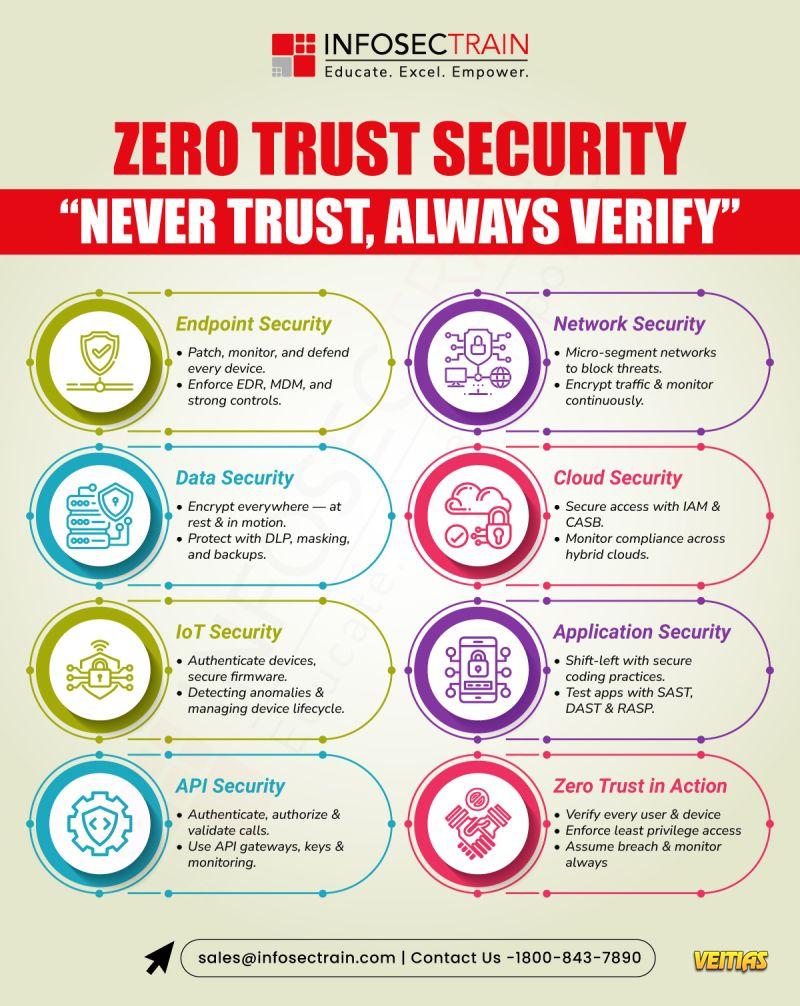
    Zero Trust protects every layer — 𝐮𝐬𝐞𝐫𝐬, 𝐝𝐞𝐯𝐢𝐜𝐞𝐬, 𝐝𝐚𝐭𝐚, 𝐚𝐧𝐝 𝐚𝐩𝐩𝐬 — through continuous verification and least privilege access.

    𝐄𝐧𝐝𝐩𝐨𝐢𝐧𝐭𝐬: Patch, monitor, defend with EDR & MDM
    𝐍𝐞𝐭𝐰𝐨𝐫𝐤: Micro-segment & encrypt traffic
    𝐃𝐚𝐭𝐚: Encrypt, back up, and apply DLP
    𝐂𝐥𝐨𝐮𝐝: Control access with IAM & CASB
    𝐀𝐩𝐩𝐬 & 𝐀𝐏𝐈𝐬: Secure code, test, and validate every call

    Assume breach. Verify everything. Trust nothing.
    Perimeter defenses are no longer enough. Zero Trust protects every layer — 𝐮𝐬𝐞𝐫𝐬, 𝐝𝐞𝐯𝐢𝐜𝐞𝐬, 𝐝𝐚𝐭𝐚, 𝐚𝐧𝐝 𝐚𝐩𝐩𝐬 — through continuous verification and least privilege access. 💻 𝐄𝐧𝐝𝐩𝐨𝐢𝐧𝐭𝐬: Patch, monitor, defend with EDR & MDM 🌐 𝐍𝐞𝐭𝐰𝐨𝐫𝐤: Micro-segment & encrypt traffic 🧩 𝐃𝐚𝐭𝐚: Encrypt, back up, and apply DLP ☁️ 𝐂𝐥𝐨𝐮𝐝: Control access with IAM & CASB 🧱 𝐀𝐩𝐩𝐬 & 𝐀𝐏𝐈𝐬: Secure code, test, and validate every call Assume breach. Verify everything. Trust nothing.
    0 Σχόλια 0 Μοιράστηκε 4222 Views 0 Προεπισκόπηση
  • What Is Security Architecture? | Myths vs Reality Explained

    Discover the building blocks of modern security architecture: zero-trust models, secure design patterns, layered defense, cloud integration, risk alignment, and how to evolve with today’s threats. Whether you're a beginner aiming for a cybersecurity career or an experienced pro stepping into architecture, this session brings you clarity and strategy.

    Watch Here: https://youtu.be/EHIgyM1UTTA?si=KDeVUdE1o4bS3jc1

    Register FREE now and join InfosecTrain’s high-impact webinar: https://www.infosectrain.com/events/

    #securityarchitecture #cybersecuritycareer #infosectrain #zerotrust #cloudsecurity #cyberdefense #securityarchitect #cybersecuritymyths #securityframeworks
    What Is Security Architecture? | Myths vs Reality Explained Discover the building blocks of modern security architecture: zero-trust models, secure design patterns, layered defense, cloud integration, risk alignment, and how to evolve with today’s threats. Whether you're a beginner aiming for a cybersecurity career or an experienced pro stepping into architecture, this session brings you clarity and strategy. Watch Here: https://youtu.be/EHIgyM1UTTA?si=KDeVUdE1o4bS3jc1 Register FREE now and join InfosecTrain’s high-impact webinar: https://www.infosectrain.com/events/ #securityarchitecture #cybersecuritycareer #infosectrain #zerotrust #cloudsecurity #cyberdefense #securityarchitect #cybersecuritymyths #securityframeworks
    0 Σχόλια 0 Μοιράστηκε 6131 Views 0 Προεπισκόπηση
  • 𝐙𝐞𝐫𝐨 𝐓𝐫𝐮𝐬𝐭 𝐒𝐞𝐜𝐮𝐫𝐢𝐭𝐲 — “𝐍𝐞𝐯𝐞𝐫 𝐓𝐫𝐮𝐬𝐭, 𝐀𝐥𝐰𝐚𝐲𝐬 𝐕𝐞𝐫𝐢𝐟𝐲.”

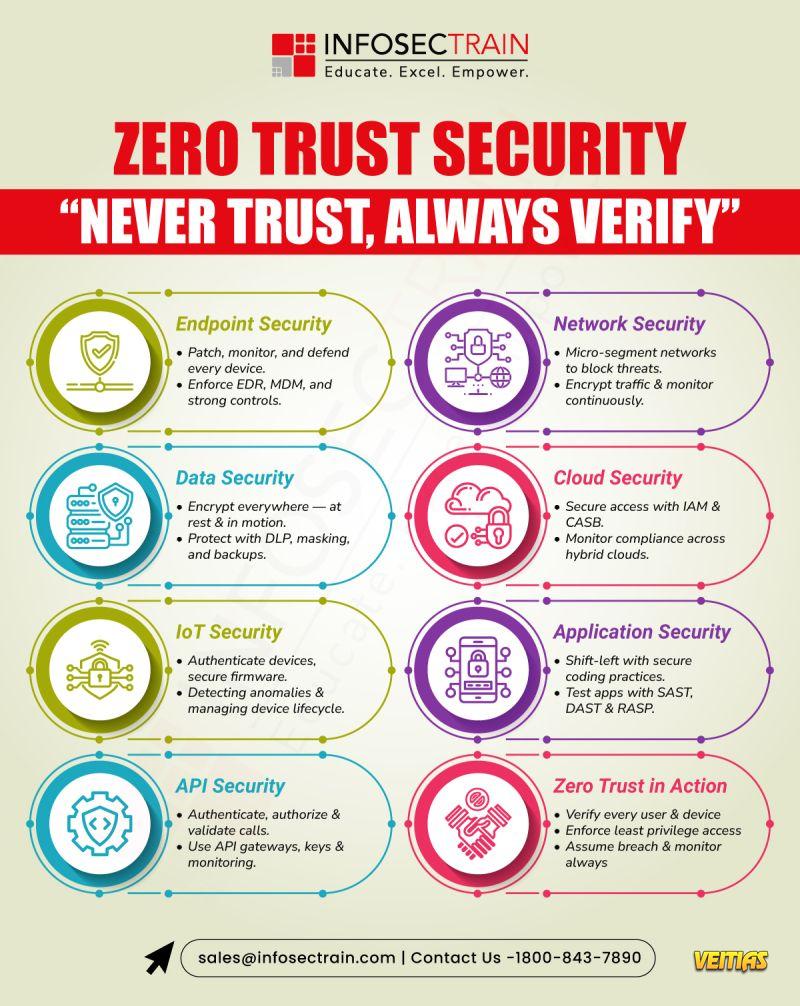
    Perimeter defenses are no longer enough. Zero Trust protects every layer — 𝐮𝐬𝐞𝐫𝐬, 𝐝𝐞𝐯𝐢𝐜𝐞𝐬, 𝐝𝐚𝐭𝐚, 𝐚𝐧𝐝 𝐚𝐩𝐩𝐬 — through continuous verification and least privilege access.

    𝐄𝐧𝐝𝐩𝐨𝐢𝐧𝐭𝐬: Patch, monitor, defend with EDR & MDM
    𝐍𝐞𝐭𝐰𝐨𝐫𝐤: Micro-segment & encrypt traffic
    𝐃𝐚𝐭𝐚: Encrypt, back up, and apply DLP
    𝐂𝐥𝐨𝐮𝐝: Control access with IAM & CASB
    𝐀𝐩𝐩𝐬 & 𝐀𝐏𝐈𝐬: Secure code, test, and validate every call

    Assume breach. Verify everything. Trust nothing.

    #ZeroTrust #CyberSecurity #InfoSec #NetworkSecurity #LeastPrivilege #IdentitySecurity #SecurityArchitecture #ZeroTrustModel #CyberDefense #DataProtection #InfosecTrain
    🔐 𝐙𝐞𝐫𝐨 𝐓𝐫𝐮𝐬𝐭 𝐒𝐞𝐜𝐮𝐫𝐢𝐭𝐲 — “𝐍𝐞𝐯𝐞𝐫 𝐓𝐫𝐮𝐬𝐭, 𝐀𝐥𝐰𝐚𝐲𝐬 𝐕𝐞𝐫𝐢𝐟𝐲.” Perimeter defenses are no longer enough. Zero Trust protects every layer — 𝐮𝐬𝐞𝐫𝐬, 𝐝𝐞𝐯𝐢𝐜𝐞𝐬, 𝐝𝐚𝐭𝐚, 𝐚𝐧𝐝 𝐚𝐩𝐩𝐬 — through continuous verification and least privilege access. 💻 𝐄𝐧𝐝𝐩𝐨𝐢𝐧𝐭𝐬: Patch, monitor, defend with EDR & MDM 🌐 𝐍𝐞𝐭𝐰𝐨𝐫𝐤: Micro-segment & encrypt traffic 🧩 𝐃𝐚𝐭𝐚: Encrypt, back up, and apply DLP ☁️ 𝐂𝐥𝐨𝐮𝐝: Control access with IAM & CASB 🧱 𝐀𝐩𝐩𝐬 & 𝐀𝐏𝐈𝐬: Secure code, test, and validate every call Assume breach. Verify everything. Trust nothing. #ZeroTrust #CyberSecurity #InfoSec #NetworkSecurity #LeastPrivilege #IdentitySecurity #SecurityArchitecture #ZeroTrustModel #CyberDefense #DataProtection #InfosecTrain
    0 Σχόλια 0 Μοιράστηκε 5705 Views 0 Προεπισκόπηση
  • 𝐎𝐩𝐞𝐫𝐚𝐭𝐢𝐨𝐧𝐚𝐥 𝐑𝐞𝐬𝐢𝐥𝐢𝐞𝐧𝐜𝐞 𝐯𝐬. 𝐁𝐮𝐬𝐢𝐧𝐞𝐬𝐬 𝐂𝐨𝐧𝐭𝐢𝐧𝐮𝐢𝐭𝐲

    Why they're not the same, and why your organization needs a mix of both to get through today's disruptions. vs. Business Continuity

    𝐖𝐡𝐲 𝐓𝐡𝐞𝐲’𝐫𝐞 𝐍𝐨𝐭 𝐈𝐧𝐭𝐞𝐫𝐜𝐡𝐚𝐧𝐠𝐞𝐚𝐛𝐥𝐞
    Daily Operational Resilience is running operations.
    Business Continuity brings them back.
    Today’s organizations need both layers, to survive and to scale.

    𝐑𝐞𝐚𝐝 𝐭𝐡𝐞 𝐝𝐞𝐭𝐚𝐢𝐥𝐞𝐝 𝐚𝐫𝐭𝐢𝐜𝐥𝐞 𝐡𝐞𝐫𝐞: https://www.infosectrain.com/blog/operational-resilience-vs-business-continuity/

    Become proficient in each approach with 𝐈𝐧𝐟𝐨𝐬𝐞𝐜𝐓𝐫𝐚𝐢𝐧’𝐬 𝐆𝐑𝐂 𝐓𝐫𝐚𝐢𝐧𝐢𝐧𝐠 Programs. Build, audit, and deploy new age of resilience + continuity frameworks in operational environments.

    #OperationalResilience #BusinessContinuity #CyberSecurity #GRC #RiskManagement #ResilienceStrategy #ContinuityPlanning#Compliance #InfosecTrain #Leadership #BusinessResilience
    𝐎𝐩𝐞𝐫𝐚𝐭𝐢𝐨𝐧𝐚𝐥 𝐑𝐞𝐬𝐢𝐥𝐢𝐞𝐧𝐜𝐞 𝐯𝐬. 𝐁𝐮𝐬𝐢𝐧𝐞𝐬𝐬 𝐂𝐨𝐧𝐭𝐢𝐧𝐮𝐢𝐭𝐲 Why they're not the same, and why your organization needs a mix of both to get through today's disruptions. vs. Business Continuity ✅ 𝐖𝐡𝐲 𝐓𝐡𝐞𝐲’𝐫𝐞 𝐍𝐨𝐭 𝐈𝐧𝐭𝐞𝐫𝐜𝐡𝐚𝐧𝐠𝐞𝐚𝐛𝐥𝐞 🔹 Daily Operational Resilience is running operations. 🔹Business Continuity brings them back. 🔹 Today’s organizations need both layers, to survive and to scale. 👉 𝐑𝐞𝐚𝐝 𝐭𝐡𝐞 𝐝𝐞𝐭𝐚𝐢𝐥𝐞𝐝 𝐚𝐫𝐭𝐢𝐜𝐥𝐞 𝐡𝐞𝐫𝐞: https://www.infosectrain.com/blog/operational-resilience-vs-business-continuity/ Become proficient in each approach with 𝐈𝐧𝐟𝐨𝐬𝐞𝐜𝐓𝐫𝐚𝐢𝐧’𝐬 𝐆𝐑𝐂 𝐓𝐫𝐚𝐢𝐧𝐢𝐧𝐠 Programs. Build, audit, and deploy new age of resilience + continuity frameworks in operational environments. #OperationalResilience #BusinessContinuity #CyberSecurity #GRC #RiskManagement #ResilienceStrategy #ContinuityPlanning#Compliance #InfosecTrain #Leadership #BusinessResilience
    WWW.INFOSECTRAIN.COM
    Operational Resilience vs. Business Continuity
    It often comes down to the difference between operational resilience and business continuity. Many assume these terms mean the same thing, but they don’t.
    0 Σχόλια 0 Μοιράστηκε 4468 Views 0 Προεπισκόπηση
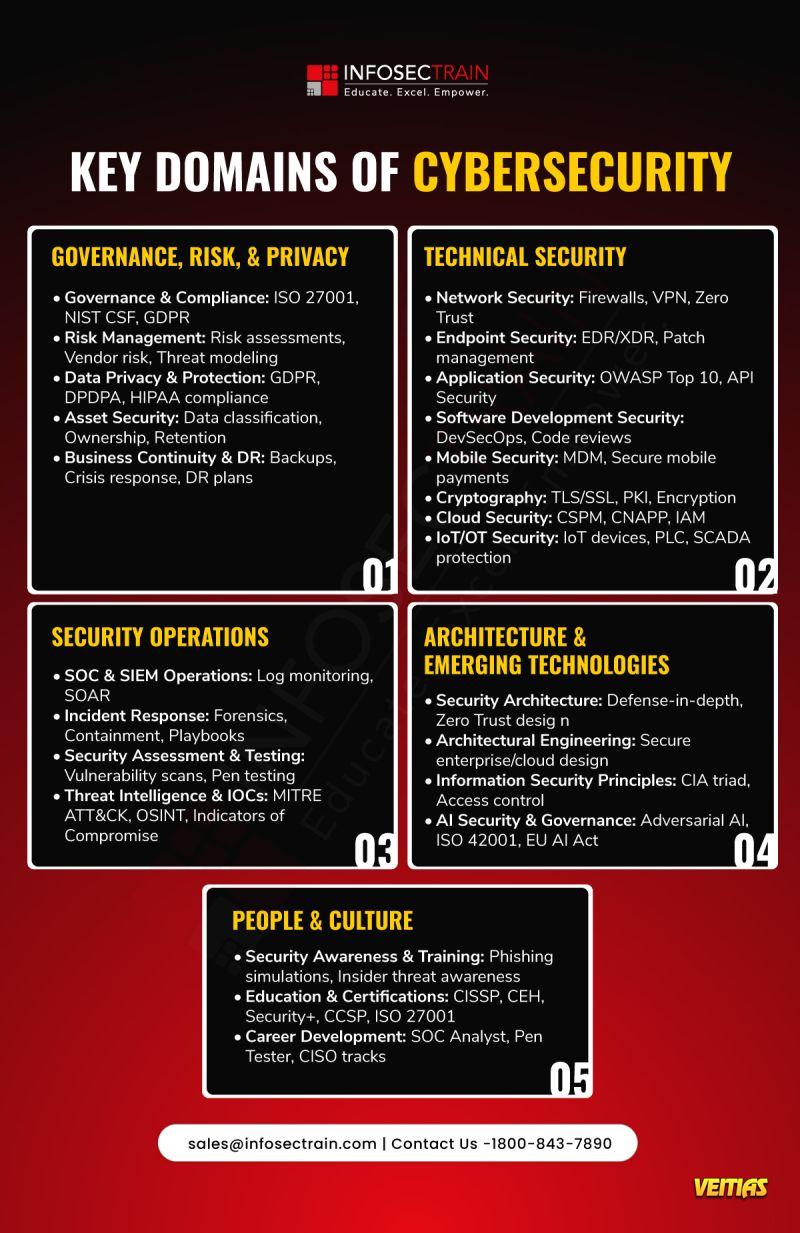
  • Cybersecurity isn’t just firewalls and passwords — it’s an ecosystem.
    Every domain plays a role in protecting data, systems, and trust.
    Here’s what modern cybersecurity mastery really looks like

    𝟏. 𝐆𝐨𝐯𝐞𝐫𝐧𝐚𝐧𝐜𝐞, 𝐑𝐢𝐬𝐤 & 𝐏𝐫𝐢𝐯𝐚𝐜𝐲
    Frameworks that define trust — ISO 27001, NIST CSF, GDPR, DPDPA, HIPAA.
    Risk assessments, vendor risks, and data protection aren’t checkboxes — they’re business enablers.

    𝟐. 𝐓𝐞𝐜𝐡𝐧𝐢𝐜𝐚𝐥 𝐒𝐞𝐜𝐮𝐫𝐢𝐭𝐲
    From firewalls to Zero Trust, EDR to CNAPP, and OWASP to DevSecOps — defense starts with layered protection across networks, endpoints, cloud, and code.

    3. 𝐒𝐞𝐜𝐮𝐫𝐢𝐭𝐲 𝐎𝐩𝐞𝐫𝐚𝐭𝐢𝐨𝐧𝐬
    SOC, SIEM, and SOAR keep the pulse.
    Incident response, pen testing, and threat intel turn data into action.

    𝟒. 𝐀𝐫𝐜𝐡𝐢𝐭𝐞𝐜𝐭𝐮𝐫𝐞 & 𝐄𝐦𝐞𝐫𝐠𝐢𝐧𝐠 𝐓𝐞𝐜𝐡
    Design with security at the core: Zero Trust, AI governance (ISO 42001, EU AI Act), and resilient architectures for cloud and enterprise systems.
    Cybersecurity isn’t just firewalls and passwords — it’s an ecosystem. Every domain plays a role in protecting data, systems, and trust. Here’s what modern cybersecurity mastery really looks like 👇 🔐 𝟏. 𝐆𝐨𝐯𝐞𝐫𝐧𝐚𝐧𝐜𝐞, 𝐑𝐢𝐬𝐤 & 𝐏𝐫𝐢𝐯𝐚𝐜𝐲 Frameworks that define trust — ISO 27001, NIST CSF, GDPR, DPDPA, HIPAA. Risk assessments, vendor risks, and data protection aren’t checkboxes — they’re business enablers. 🛡️ 𝟐. 𝐓𝐞𝐜𝐡𝐧𝐢𝐜𝐚𝐥 𝐒𝐞𝐜𝐮𝐫𝐢𝐭𝐲 From firewalls to Zero Trust, EDR to CNAPP, and OWASP to DevSecOps — defense starts with layered protection across networks, endpoints, cloud, and code. 🧠 3. 𝐒𝐞𝐜𝐮𝐫𝐢𝐭𝐲 𝐎𝐩𝐞𝐫𝐚𝐭𝐢𝐨𝐧𝐬 SOC, SIEM, and SOAR keep the pulse. Incident response, pen testing, and threat intel turn data into action. 🏗️ 𝟒. 𝐀𝐫𝐜𝐡𝐢𝐭𝐞𝐜𝐭𝐮𝐫𝐞 & 𝐄𝐦𝐞𝐫𝐠𝐢𝐧𝐠 𝐓𝐞𝐜𝐡 Design with security at the core: Zero Trust, AI governance (ISO 42001, EU AI Act), and resilient architectures for cloud and enterprise systems.
    0 Σχόλια 0 Μοιράστηκε 8385 Views 0 Προεπισκόπηση
Αναζήτηση αποτελεσμάτων